

patination
- noun
- /ˌpætɪˈneɪʃən/
- Specialized
- The artist used chemicals to speed up the patination of the copper sculpture.
Examples
-
Over time, exposure to air and moisture led to the patination of the bronze doors.
-
Natural patination can give old coins a unique and valuable appearance.
-
The artist admired the patination on the bronze sculpture.
-
Can you explain the process of patination?
-
The artist used chemicals to enhance the patination on the copper sculpture, adding vibrant colors.
-
Natural patination occurs as oxidation gives old coins a beautiful and valued appearance over time.
-
Over time, the moisture and air exposure caused a rich green patination on the antique bronze doors.
Synonyms

 35
3.4
35
3.4

A layer of material that covers a surface to protect or decorate it

A process that uses electricity to make a thin protective colored layer on metal, often aluminum
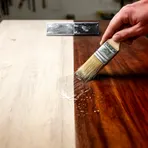
A thin layer on wood or metal that protects and looks good
Surface Forms
Morphology
Etymology
Patination comes from patina, the name for the thin film that forms on metal, so the word also means the process of making that film, whether by time, use, or chemical treatment.