

passing
- adjective
- /ˈpæsɪŋ/
- During the meeting, she made a passing remark about the project's budget without going into details.
Examples
-
And this was mentioned like in passing, but Tamlin is a great fiddle player.
-
You mentioned so Dangerous reminded me of one thing that you said in passing, and I wanted to just unpack it.
-
And you made one passing comment that as AI systems get into everything, I don't know about that.
-
He also says passing nothing by not making any excuses.
-
He sort of says that in passing to introduce his counter or his objection handling skill.
-
He gave a passing glance at the report before deciding to move on to the next item on the agenda.
-
The teacher noted a passing mention of the historical event in the students' essays but wanted more depth.
Synonyms

 94
5.6
94
5.6

Not thorough and only about what is obvious, not deep
 21
7.0
21
7.0
Done quickly without enough attention to detail
 11
8.7
11
8.7
Done quickly without real interest or care
Antonyms


Idioms

Compounds

- Jargon
25
3.6
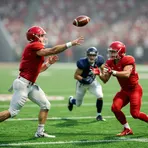
A series of plays in American football that move the ball by throwing to teammates
- Specialized
1
4.4
A play in American football where a player throws the ball forward to a teammate







A light on a car that makes a low beam to light the road without hurting other drivers' eyes

- Specialized
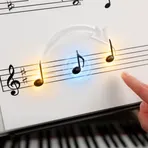
A small note between two main notes in a melody that connects them smoothly

How Thorough

Surface Forms
Morphology
passing = pass (semi-transparent) = pass + ing
Formed from the verb 'pass' with the participial/adjectival suffix '-ing'; the sense 'brief/temporary' is a natural extension of 'passing' (something that 'passes by') but the specific meaning 'hasty/not thorough' may not be fully predictable for all learners.
Etymology
Passing comes from pass, meaning 'to go by without stopping'. A passing glance or reference is made quickly and without detail, so the word describes something done in a hurry or not in depth.