

passe
- adjective
- /pæˈseɪ/
- The fashion trends from last year are already considered passe this season.
Loading YouTube…
Watch on YouTubeAnd by then it'll be just a standard passe norm.
- And by then it'll be just a standard passe norm.
- But that cliche along with the this is your brain on drugs nonsense is passe and wrong.
- And this was before these kinds of tapes were so like passe, like back then it was actual scandal.
- I honestly thought the novel was in danger of being passe or out of date before I published it.
- I also think that this Canadian welfare state model is passe in the conditions of today's global economy.
Examples
-
I honestly thought the novel was in danger of being passe or out of date before I published it.
-
And you know, we're just, we're passe at this point, right?
-
I mean, it's all these things that are often seen as kind of passe and and and old century.
-
I also think that this Canadian welfare state model is passe in the conditions of today's global economy.
-
- It's so passe.
-
Many think that the old way of communicating through letters is passe with the rise of digital messaging.
-
His outdated opinions on technology seem passe in the light of current advancements.
Synonyms

 149
4.7
149
4.7

Not in style, like clothes or ideas from an earlier time
 93
5.8
93
5.8
No longer used or made because something newer replaces it
 78
5.0
78
5.0
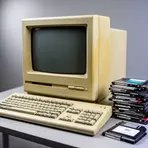
No longer useful or fashionable because it is old
 34
4.4
34
4.4
No longer current or in use
 32
8.2
32
8.2
Very old and not useful or suitable now
 12
3.4
12
3.4
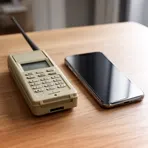
Not popular or stylish now
 11
6.5
11
6.5
No longer fashionable or useful
 9
8.8
9
8.8
No longer fashionable compared with modern styles
 9
7.5
9
7.5
Old-fashioned and not modern
 3
6.2
3
6.2
Not modern and looking old-fashioned
 1
6.8
1
6.8
No longer new or fashionable
 1
9.9
1
9.9
Old and no longer useful because of age

No longer in fashion and looking old

Old and out of date in ideas, opinions, or ways
Antonyms

Compounds
- Specialized
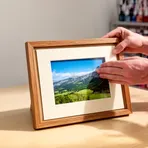
A border of paper or thin board that goes around a picture to hold it in a frame
How Unfashionable

Surface Forms
Etymology
The word passe comes from French passé, which means 'passed' or 'past' and from the verb passer 'to pass', the same root as English pass. Think of a bus that has 'passed' you; it is gone. So if a style has 'passed' it is no longer in fashion, which is why passe means 'no longer fashionable'.