

passé
 9
8.8
9
8.8

- adjective
- /pæˈseɪ/
- Besides, I said, light as a subject for contemporary paintings is passé.
- become passé
- somewhat passé
- now passé
Examples
-
They think of us as a passé, archaic institution.
-
The Old Liberal view that, on balance, the United States was a great nation was now passé.
Academic text (2002) -
What is passé now will be the fashion in maybe fifty years.
-
Themed events can seem passé, but if done well, they provide your guests with a guide.
Blog text (16) -
In France, I consider a devoted attachment to the French Revolution to be rather passé.
Fiction book (2001) -
Of course, the assumption of a binary position on gender issues is somewhat passé.
Academic text (1997) -
Don't you think that family rivalries are a little passé?
-
Opera is so passé.
-
Shoulder pads are passé.
-
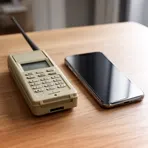
Many people believe that using flip phones is now passé in today's smartphone era.
Synonyms
 149
4.7
149
4.7
Not in style, like clothes or ideas from an earlier time
 93
5.8
93
5.8
No longer used or made because something newer replaces it
 78
5.0
78
5.0
No longer useful or fashionable because it is old
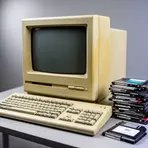 34
4.4
34
4.4
No longer current or in use
 34
9.9
34
9.9
Very old and not used in everyday life
 32
8.2
32
8.2
Very old and not useful or suitable now
 11
6.5
11
6.5
No longer fashionable or useful
 9
7.5
9
7.5
Old-fashioned and not modern
 3
6.2
3
6.2
Not modern and looking old-fashioned
 1
6.8
1
6.8
No longer new or fashionable
 1
8.4
1
8.4
Gradually becoming out of date and not used much
 1
9.9
1
9.9
Old and no longer useful because of age

No longer in fashion and looking old

No longer fashionable or modern
Old and out of date in ideas, opinions, or ways
Antonyms


How Old-Fashioned

Surface Forms
Etymology
Passé comes from the French verb passer 'to pass' and originally means 'passed' or 'past'. So if something has 'passed' its time it is out of fashion now, which is why passé means 'no longer fashionable'.