
to parasitize
 1
8.1
1
8.1

- verb
- /ˈpærəˌsaɪtaɪz/
- Specialized
- The squawroot is a six-inch-tall, stubby plant that, lacking chlorophyll, survives by parasitizing the roots of pines and oaks.
- wasps that parasitize
- flies that parasitize
- moths that parasitize
Loading YouTube…
Watch on YouTubeI mean, I think it's clever, but it's not plausible given our current understanding of those types of fungi and the hosts that they parasitize.
- I mean, I think it's clever, but it's not plausible given our current understanding of those types of fungi and the hosts that they parasitize.
- OK, It doesn't like it stays clear of water when it is parasitized by a hair worm.
Examples
-
Some micro-wasps that parasitize eggs are so small you may never see them.
-
The Ant then dies and the fungus parasitizes its body to build a tall, thin stalk from its neck.
-
At just about every stage in an insect's life cycle, one or more species of wasps will parasitize it.
Academic text (1995) -
The tiny flies, some species less than 1 mm across, attack and parasitize fire ants, eventually decapitating them.
Academic text (2004) -
The wasps parasitized these new hosts, killing nineteen of every twenty flies.
Academic text (2000) -
But both common types of algae that parasitize turtles can withstand long periods of darkness and desiccation.
Academic text (1992) -
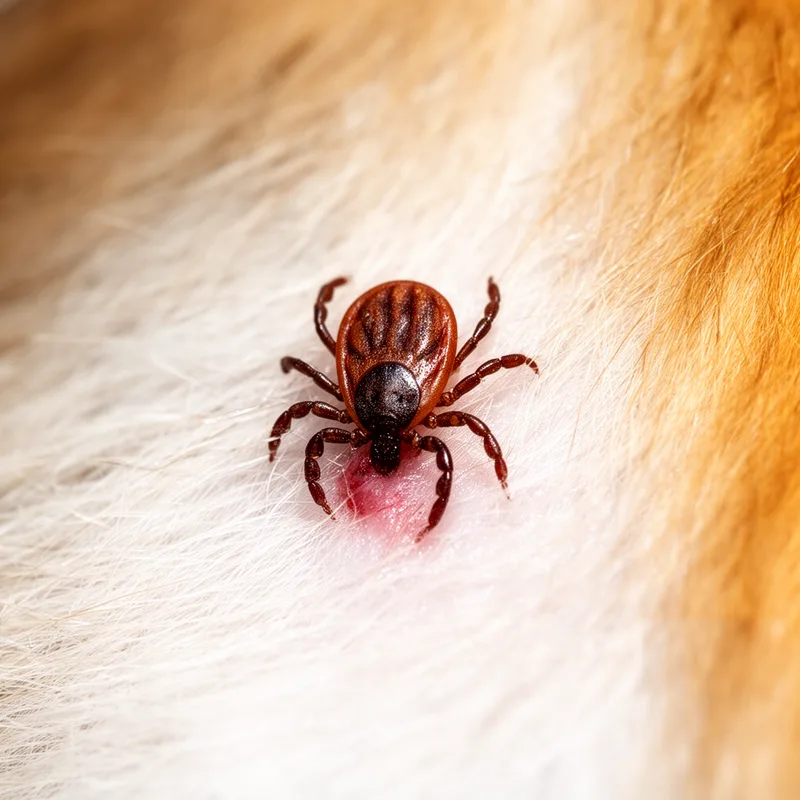
Argas vespertilionis (also known as Carios vespertilionis) ticks parasitize several bat species around the world, except in the Americas (2, 3).
Academic text (2012) -
The world's tiniest known insect is a microscopic wasp that parasitizes bot lice eggs.
-
Parasitized bees may have deformed wings and abdomens and a shorter lifespan than their unparasitized hivemates.
Academic text (1999) -
The tiny flies, some species less than 1 mm across, attack and parasitize fire ants, eventually decapitating them.
Antonyms

How Parasitic

Surface Forms
Morphology
Etymology
Parasitize comes from Greek parts para- ('beside') and sitos ('food'), and a parasitos was 'one who eats at another's table'. So to parasitize in biology is to live on or in another organism and take its food, often hurting the host.