

paralytical
- adjective
- /ˌpærəˈlɪtɪkəl/
- Specialized
- A paralytical condition left him unable to move his legs.
Examples
-
The patient exhibited paralytical symptoms following the stroke.
-
The paralytical condition affected her mobility severely.
-
Doctors studied the paralytical effects of the toxin on nerve tissue.
-
He felt paralytical after the accident.
-
The patient exhibited paralytical symptoms following the stroke.
-
Doctors studied the paralytical effects of the toxin on nerve tissue.
-
A paralytical condition left him unable to move his legs.
Synonyms

 3
7.2
3
7.2

Relating to loss of movement in part of the body
 1
9.9
1
9.9
Having muscles that shake or cannot move


 1
4.2
1
4.2
Not able to do anything, often because of injury or fear

Having partial paralysis that makes movement weak
Antonyms
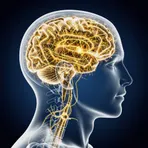
How Paralysed
- Specialized

- Specialized
3
7.2
Surface Forms
Morphology
Etymology
Paralytical comes from Greek parts para- meaning 'beside' and -lysis meaning 'loosening', the same root as paralysis and paralyze. So, think of muscles 'loosened' or stopped from moving. Paralytical describes something relating to that loss of movement.