
paradichlorobenzene


 1
9.9
- noun
- /ˌpærəˌdaɪˌklɔːrəˈbɛnziːn/
- Specialized
- The paradichlorobenzene in the mothballs repels insects effectively.
Examples
-
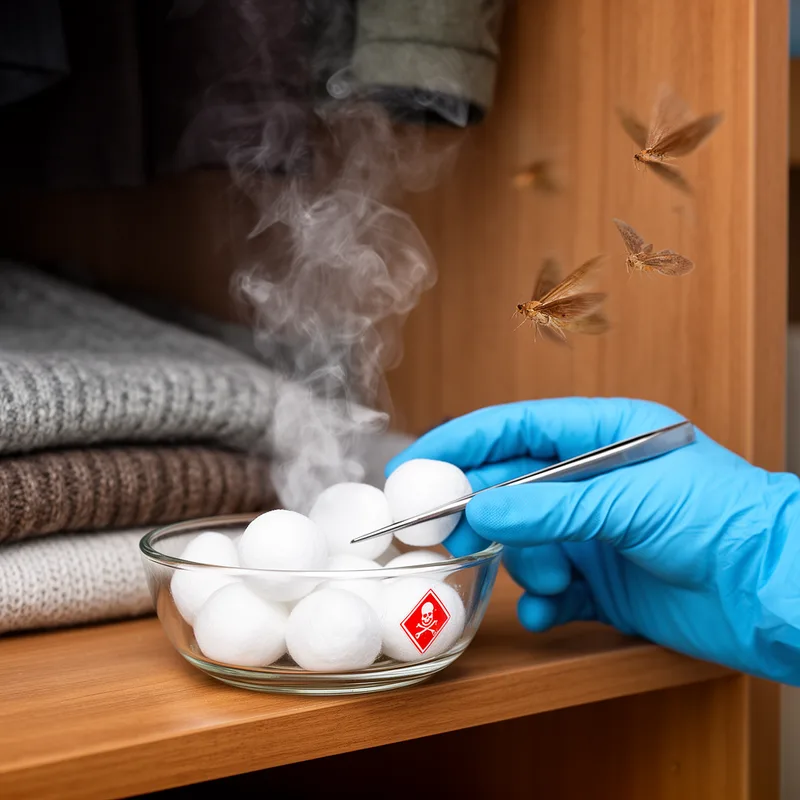
Many people use paradichlorobenzene to keep their clothes safe from moths.
-
Old mothballs often contain paradichlorobenzene as their main active ingredient.
-
The laboratory detected paradichlorobenzene in the air samples collected from the storage facility.
-
Exposure to paradichlorobenzene can cause health problems if proper safety measures are not followed.
-
One pesticide commonly used to repel insects is paradichlorobenzene, which is often found in mothballs.
-
The label on the mothballs indicates that they contain paradichlorobenzene, a chemical used to protect clothing from moth damage.
-
To effectively keep moths away, many people choose products with paradichlorobenzene as a key ingredient.
Synonyms
 1
9.8
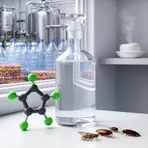
A chemical with two chlorine atoms on a ring used to make plastics, remove smells, and kill insects
Surface Forms
Morphology
paradichlorobenzene = dichlorobenzene (opaque) = para + di + chloro + benzene
The word is structurally compositional as a chemical name, but the full meaning is not inferable for an average learner from the parts alone.
Etymology
The word paradichlorobenzene breaks into parts: para- ('opposite'), di- ('two'), chloro- ('chlorine') and benzene ('ring' in chemistry). So the name says 'two chlorine atoms opposite each other on a benzene ring', which fits the chemical often used in mothballs to keep insects away.