
pale
 22
8.0
22
8.0

- noun
- /peɪl/
- Archaic
- The conditions within the Pale provoked a number of responses from Jews outside Russia.
Examples
-
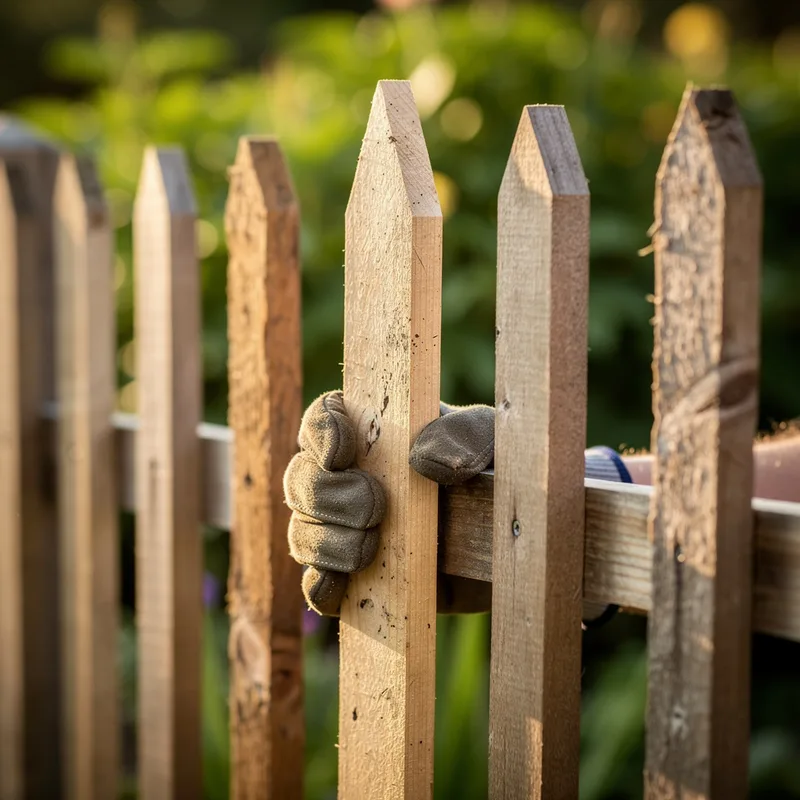
The fence was made of wooden pales surrounding the garden.
-
Jews were forbidden to settle in rural districts even within the Pale, and certain cities were ruled off-limits for settlement.
Academic text (2006) -
Could funds improve education and training within the Pale, and if so, of what kind?
Academic text (2006) -
To the inhabitants of the Pale, the country had nothing to say.
Academic text (2008) -
The Russians, who controlled my parents' country, created the Pale where the Jews could live.
Fiction book (1999) -
She painted the old shed with a fresh coat of paint after replacing some broken pales.
-
The old barn's pales had rotted, so they needed to be replaced to keep the livestock safe.
Synonyms
 30
4.4
30
4.4
A pointed or flat-topped piece of wood fixed upright to make a fence
 1
7.2
1
7.2
A fence made of thin upright wooden and metal stakes or one of those stakes
Idioms


- Slur
A group that mostly has older white men and lacks diversity and new ideas
Compounds



- Specialized
A small insect that sucks sap from chrysanthemum plants and harms leaves and flowers
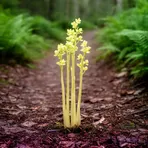
- Specialized
A plant with almost no leaves and pale yellow-green stems and flowers

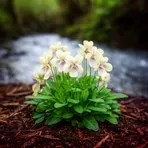
- Specialized
A small leafy plant with cream or white flowers faintly marked with purple

Surface Forms
Etymology
The noun pale comes from the Latin word palus meaning 'stake', a wooden stick used upright in a fence, and the English word impale comes from the same root. So a pale is one of the small upright pieces that make a fence.