
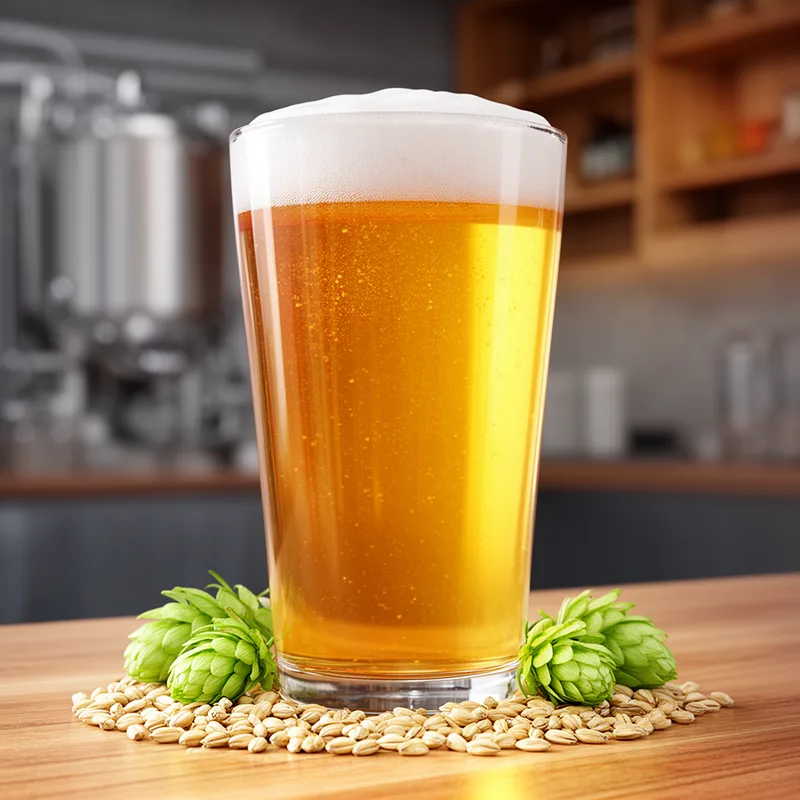
pale ale
 2
2.8
2
2.8

- noun
- /peɪl eɪl/
- I ordered a refreshing pale ale at the bar, and it had a crisp, hoppy flavor.
- India pale ale
- pale ale beer
- style of pale ale
Loading YouTube…
Watch on YouTubeBut somebody who does love beer tried the pale ale and he said it was bomb.
- But somebody who does love beer tried the pale ale and he said it was bomb.
- So you get Bass Pale Ale and Old Peculiar and all these, these other cool things.
- And so then that became its own genre of beer is India pale ales.
Examples
-
A Cascade dry-hopped American pale ale.
Blog text (15) -
I got this one in a sampler, and thought it was much more in line with a British/Irish Pale Ale than anything even kind of Belgian.
Blog text (28) -
But somebody who does love beer tried the pale ale and he said it was bomb.
-
So you get Bass Pale Ale and Old Peculiar and all these, these other cool things.
-
Blue Moon's Belgian-Style Pale Ale
Blog text (28) -
Ten years ago, many beer drinkers might not have known what an Indian pale ale is, let alone the subtle differences between two varieties.
Blog text (13) -
He drank thirstily from his pale ale.
Fiction book (1997) -
In order to meet the demand that exists for a beer popularly known as keg or canister, we are now producing our best pale ales in this form.
Blog text (24) -
ME: Belgian Pale Ale pours a copper color with the head and carbonation level you'd expect from a mass-produced product.
Blog text (28) -
During the tasting event, he recommended trying a pale ale paired with spicy dishes.
Synonyms
 115
3.0
115
3.0
A kind of beer that often tastes bitter and has more alcohol

A pale ale beer from the United States with a hoppy, citrus taste
How Pale

Surface Forms
Morphology
The compound is directly compositional: 'pale' (light in color) modifies 'ale' (a type of beer), so the phrase denotes a light-colored beer. This straightforward adjective+noun formation follows common cross-linguistic patterns and would be understandable to a B1 learner who knows both constituents.
Etymology
Pale ale may come from its light color: brewers used lightly roasted grain called malt so the drink looked pale compared with older dark beers, and it was a kind of ale. That's why pale ale now means an 'ale' that is paler and often lighter in taste.