

to pale
 41
3.7
41
3.7

- verb
- /peɪl/
- His face goes pale and he starts to freak out.
Loading YouTube…
Watch on YouTubeAnd before the song was ended, the the sky had paled the grayish blue.
- And before the song was ended, the the sky had paled the grayish blue.
- Bryce could have sworn Rysan's golden face paled slightly.
Examples
-
And when I go pale, I go quite sickly, quite sickly looking.
-
As a matter of fact, you're looking rather pale yourself.
-
I was like turning pale and our director thought that I was like, I was like just being a little whiny landing person.
-
The reaction is just as he feared: his face pales as the food passes down his esophagus.
Fiction book (1990) -
Bryce could have sworn Rysan's golden face paled slightly.
-
She started to pale when she heard the news of the accident.
-
After seeing the spider, he paled and took a step back.
-
The nurse noticed that the patient began to pale during the procedure.
Synonyms
 5
7.4
5
7.4
To become pale from sudden fear or shock
 3
3.2
3
3.2
Become very white in the face when you feel shocked, afraid, or sick


 1
9.9
1
9.9
To turn pale and flinch from sudden fear or shock

To make people or things pale and weak by keeping them from light and everyday life
Antonyms


Idioms


- Slur
A group that mostly has older white men and lacks diversity and new ideas
Phrasal Verbs

Compounds


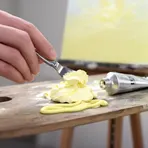


- Specialized
A small insect that sucks sap from chrysanthemum plants and harms leaves and flowers
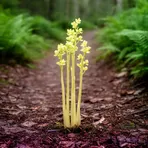
- Specialized
A plant with almost no leaves and pale yellow-green stems and flowers

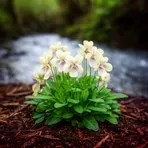
- Specialized
A small leafy plant with cream or white flowers faintly marked with purple

How Pale

Surface Forms
Etymology
The verb pale comes from the Latin verb pallēre meaning 'to be pale'. So to pale is to lose color, often from fear, shock, or sickness.