

palate
 35
4.0
35
4.0

- noun
- /ˈpælɪt/
- He enjoys trying new foods because he has an adventurous palate and loves experimenting with flavors.
- satisfy the palate
Loading YouTube…
Watch on YouTubeAnd frankly, their palates just don't love food like that.
- And frankly, their palates just don't love food like that.
- The diet drinks is more because you're training your palate to have very, very sweet things.
- My whole taste palate has been thrown off from that Protein Bar.
- So we've got the classic water, lovely to wet the palate.
- But honestly, everybody's palate is different.
- Flavor is, to me more about smell than actually what's on the palate.
- But all this seems like any food that's not fried and doesn't suit again, her three-year old palate is a problem.
- And if you can get those tastes in there, you know, kimchi, you do broaden their palates.
- Think about the way that you taste a wine and the complexity of the taste on your palate.
- Other things, your palate is not able to appreciate them because you're still in the addiction cycle with something that's harming you.
Examples
-
Your wife has an excellent palate, Mr Spica.
-
But honestly, everybody's palate is different.
-
Oh, man, she has the best palate of any woman I have ever known.
-
The wine that fits your palate perfectly.
-
Let someone with a more sophisticated palate be the judge.
-
Oh my God, we're cleansing the palate with birthday cake.
-
Fine wines were one of his passions, and his palate was extremely discriminating.
Fiction book (1998) -
The dish appealed to locals' famously hot palate and taste for novelty.
Academic text (2010) -
She has a very refined palate and can appreciate the subtleties in fine wine.
-
A chef must understand their customers' palates to create dishes that will delight them.
Synonyms
 420
1.0
420
1.0
A sense in the mouth that notices flavors like sweet and bitter
 3
2.7
3
2.7
Ability to notice sweet, sour, bitter and salty flavors in your mouth


 1
3.7
1
3.7
The top inside surface of the mouth that separates it from the nose
 1
9.9
1
9.9
A sense that lets you taste and tell different flavors like sweet or bitter
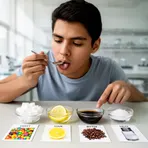
The ability to notice and name tastes like sweet, sour, bitter, and salty

Ability to notice and understand flavors in the mouth from food and drink

The sense of taste when taste buds detect chemicals in the mouth
Idioms

To serve food with strong or unusual flavors to test someone's sense of taste

Compounds

- Specialized
4
5.1
A split in the roof of the mouth from birth that makes eating and speaking hard
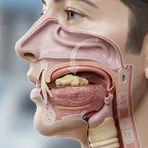
- Specialized
3
5.7
Part at the back of the mouth that lifts to close the nose when you swallow or speak



- Specialized
1
4.6
The bony front part of the roof of the mouth that separates the mouth from the nose
How Refined
1
7.1
 35
4.0
35
4.0
Surface Forms
Etymology
Palate comes from the Latin palatum, meaning 'roof of the mouth', and because taste happens there the word came to mean a person's sense of taste or liking for foods. A related word is palatable, which means 'pleasant to the taste', so thinking of the palate helps explain why we use the word for taste and food preference.