

to oxidize
 9
6.1
9
6.1

- verb
- /ˈɑksɪˌdaɪz/
- Specialized
- When exposed to oxygen, the fruit will oxidize and turn brown.
- oxidize ammonia
- oxidize free acids
- oxidizing bacteria
Loading YouTube…
Watch on YouTubeBut when insulin is low, you do place your system in a position to oxidize more fat.
- But when insulin is low, you do place your system in a position to oxidize more fat.
Examples
-
During the biologically active filtration process, "good bacteria" oxidize the remaining organic molecules.
Academic text (2003) -
Mortar around the stone is starting to oxidize from the air we're pumping in.
-
But when insulin is low, you do place your system in a position to oxidize more fat.
-
Now we're going to oxidize this carbon nitrogen bond.
-
The copper will oxidize green and fit right in with the natural surroundings.
Fiction book (1997) -
This is coming from the air that you're using to oxidize the coal.
-
We extract the oxygen from the air, oxidize it to make oxide ions.
-
You can see that when you cut it, it gets shiny again, but then it quickly oxidizes when it reacts with the water in the air.
-
In addition, plowing exposes the soil to air, which oxidizes the soil and roots.
Academic text (2001) -
In both animal and plant tissues, ozone oxidizes the cells at an accelerated rate, thereby causing premature aging.
Academic text (1996)
Synonyms
 7
5.8
7
5.8
To add oxygen to something like water, blood, or wine

 1
8.5
1
8.5
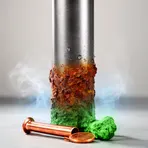
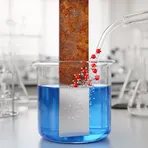
To combine with oxygen, for example when metal forms rust

To add oxygen to something like water or blood to help living things
Antonyms
How Oxidized

Surface Forms
Morphology
oxidize = oxide (transparent) = oxid + ize
Formed from the noun 'oxide' with the productive verb-forming suffix '-ize', meaning 'to make or become an oxide', which is directly inferable from the base.
Etymology
The word oxidize comes from oxygen and the ending -ize, where -ize means 'to make'. So, to oxidize is to 'add oxygen' to something, which is what happens when metal rusts or a cut apple turns brown.