

oxidation
 12
4.9
12
4.9

- noun
- /ˌɑksɪˈdeɪʃən/
- Specialized
- So the antioxidants found in dark chocolate help prevent oxidation, which helps you age slower.
- lipid oxidation
- oxidation and corrosion
- oxidation reaction
Loading YouTube…
Watch on YouTubeSo the antioxidants found in dark chocolate help prevent oxidation, which helps you age slower.
- So the antioxidants found in dark chocolate help prevent oxidation, which helps you age slower.
- It is primary site for fatty acid oxidation.
- And indeed, insulin will prevent fat oxidation.
- Now the question is why are we trying to increase fat oxidation?
- If they're burning this much more fat, fat loss and fat burning or fat oxidation are not the same thing.
- It is an antioxidant, which means a compound that blocks oxidation.
- What he has reported though is very little change in things like fat oxidation.
- The problem with them is that they are very prone to a form of chemical degradation called oxidation.
- And you don't have to only work at a high rate of fatty acid oxidation in order to get that boost in, in mitochondria.
- And the outcome was looking at changes in fat mass, not fat oxidation, not energy expenditure.
Examples
-
So losing electrons is oxidation, gaining electrons is reduction.
-
In the laboratory, oxidation is often demonstrated by the rusting of iron when exposed to air and moisture.
-
And the outcome was looking at changes in fat mass, not fat oxidation, not energy expenditure.
-
The colors represent the state of oxidation of the catalyst.
-
Oxygen present in the exhaust gas serves as the required coreagent for this oxidation reaction.
Academic text (1996) -
The atmospheric oxidation of PFIs may contribute to the increased levels of other PFCs in the environment.
Academic text (2012) -
Phase II is fueled by the oxidation of stored lipids. Phase III is supported by the catabolism of proteins.
Academic text (2011) -
Some of the most common pathways of energy production in microorganisms, who live along the hydrothermal vents, are oxidation or reduction of sulfur compounds.
-
Bacteria can survive oxidation by having a thick capsule, slime layer, and producing catalase, SOD, and GPX.
Academic text (2017) -
Antioxidants help to slow the process of oxidation, which occurs when substances react with oxygen.
Synonyms


 1
6.1
1
6.1
A process when something combines with oxygen and changes, for example iron turning to rust
Antonyms

- Specialized
11
6.1
When an atom or charged atom gains electrons, often by gaining hydrogen
Compounds
- Specialized
1
7.2
A number that shows how many electrons an atom has lost or gained in compounds and ions

- Specialized
1
6.3
A number that shows how many electrons an atom has gained, lost, or shared when it joins other atoms

- Specialized
1
4.7
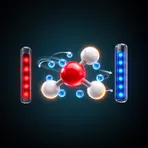
A chemical reaction where one substance loses electrons and another gains electrons
- Specialized
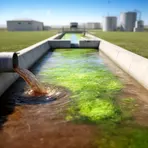
A large shallow pond made by people that uses sunlight and algae to clean sewage

- Specialized
A chemical that changes color when a solution gains or loses electrons
Surface Forms
Morphology
Etymology
Oxidation comes from oxygen, a name made from the Greek parts oxys 'acid' and -gen 'producer' because early scientists thought oxygen made acids. So oxidation originally meant 'combining with oxygen', which you can see when iron meets oxygen and makes rust, and today it also covers cases where a substance 'loses electrons'.