

oscitant
- adjective
- /ˈɑːsɪtənt/
- Archaic
- The professor was disheartened by the oscitant faces in the lecture hall.
Examples
-
His oscitant manner suggested he found the discussion quite dull.
-
During the lengthy ceremony, the audience appeared increasingly oscitant.
-
Don't be oscitant!
-
The oscitant students struggled to stay awake during the lecture.
-
During the lengthy ceremony, the audience appeared increasingly oscitant.
-
His oscitant manner suggested he found the discussion quite dull.
-
The professor was disheartened by the oscitant faces in the lecture hall.
Synonyms
 142
1.0
142
1.0

Feeling very tired and wanting to close your eyes
 57
2.8
57
2.8
Not working or being used
 22
2.7
22
2.7
Feeling sleepy and not fully awake, often because you are tired or bored
 15
5.3
15
5.3
Being very tired and slow with little interest or energy
 13
4.1
13
4.1
Feeling very tired and having no energy
 5
8.6
5
8.6
Showing little energy or interest and doing things slowly and carelessly
 4
2.3
4
2.3
Not moving and not showing much physical or mental energy
 2
8.4
2
8.4
Feeling sleepy or making you want to sleep
 1
8.2
1
8.2
To move slowly and have little energy or interest
 1
4.3
1
4.3
Sleepy and likely to fall asleep

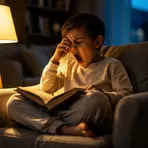
Having the mouth open because of being tired or bored

A calm, quiet mood that makes you feel sleepy
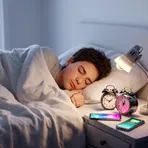
Not awake and not responding to things around you

Less active than usual in the body or mind

Unwilling to work or help
How Drowsy

Surface Forms
Morphology
oscitant = oscitate (opaque) = oscit + ant
The adjective is formed by a regular suffixation from the verb 'oscitate', but the verb/stem is a rare Latinate form not familiar to typical learners.
Etymology
The word oscitant comes from Latin oscitans and oscitare, which mean 'gaping' or 'to yawn', and from os 'mouth'. So, imagine someone's mouth opening again and again and looking sleepy or bored, which is why oscitant means 'drowsy' or 'inattentive'.