
orographic


 1
9.0
- adjective
- /ˌɔrəˈɡræfɪk/
- Specialized
- Meteorologists study orographic effects to understand how mountain terrain influences local weather patterns.
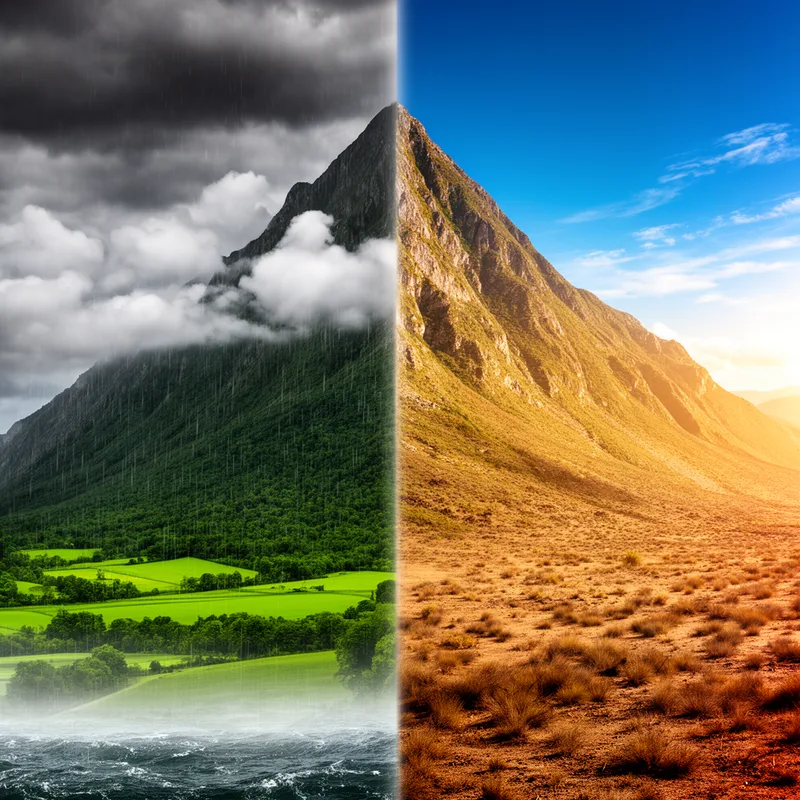
- orographic clouds
- orographic lifting
Examples
-
The city experiences heavy rainfall due to orographic processes as moist air rises over the nearby mountains.
-
Warm, moist trade winds, augmented by orographic conditions in the Amazon basin, result in much greater values of surplus in South America than in Africa.
-
And in fact, one of the issues is, is, you know, are the models getting the orographic effect correct?
-
The sixth grade will study the orographic control of rainfall.
-
Warm, moist trade winds, augmented by orographic conditions in the Amazon basin, result in much greater values of surplus in South America than in Africa.
Academic text (1992) -
Orographic lifting generates increased rainfall in the region, and the sporadic passage of winter frontal activity introduces more precipitation.
Academic text (2005) -
The orographic effect of these escarpment regions ensures ample amounts of rainfall for tea, tropical fruits, and tuber crops on the south side of the Soutpansberg and the east side of the Drakensberg.
Academic text (2008)
Surface Forms
Morphology
orographic = orography (semi-transparent) = oro + ic
Formally derived from the noun 'orography' with the regular adjectival suffix '-ic', but the combining form 'oro-' is technical and not a familiar standalone English word for most learners.
Etymology
The word orographic comes from the Greek root oros 'mountain' and the ending -graphic 'to describe', as in geography. So orographic is used for weather effects that mountains cause, for example more rain on the windward side.