
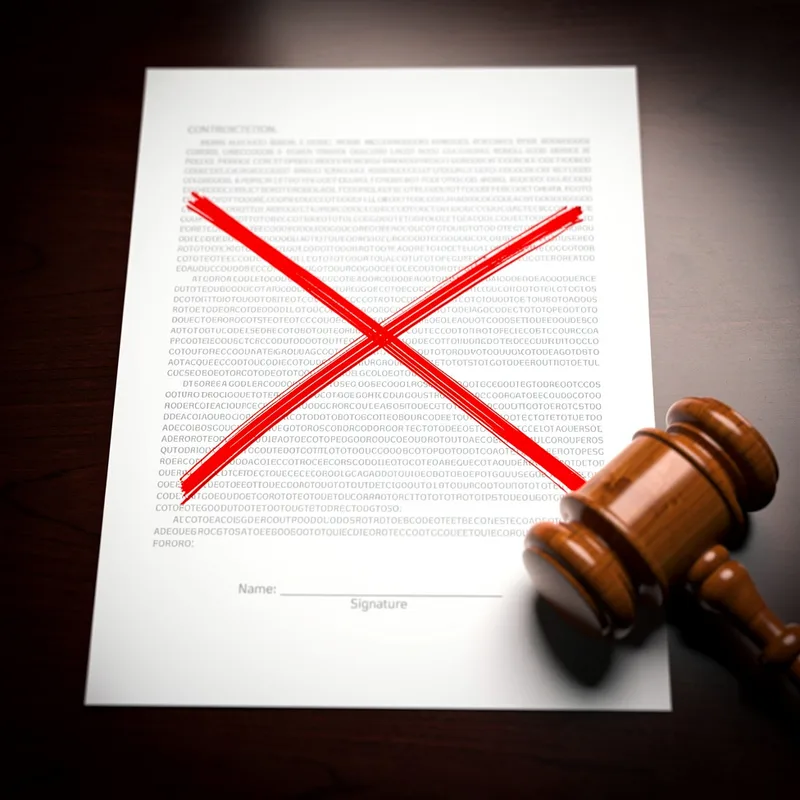
null
 31
6.8
31
6.8

- adjective
- /nʌl/
- Formal
- The contract is null and void.
- null and void
- declared null
Loading YouTube…
Watch on YouTubeYou've got to go and see your opinions almost null and void.
- You've got to go and see your opinions almost null and void.
- But I think actually I've realized it's null and void or void and null.
- And he goes on and he says this thoroughgoing monism or idealism renders science null.
Examples
-
All other contracts will be null and void.
-
The election results are null and void.
-
According to that book, that contract is null and void.
-
So, the ceremony was null and void.
-
From here on, all treaties with the Indian Nation are null and void.
-
If we don't receive our money in a timely fashion, our lawyers will instruct the court to have your contract made null and void.
-
I declare the previous treaty between the house of Amar and the house of Nesib null and void.
-
"However, said obligations shall be terminated, "and this agreement shall be rendered immediately null and void, upon a miraculous act of God."
-
All three statutes declare negotiated presence arrangements null and void unless approved by the respective legislature.
Academic text (2017) -
The judge declared the agreement null and of no effect due to a lack of signatures.
Synonyms
 12
4.8
12
4.8
Not legally valid or binding
 11
6.7
11
6.7
Not legally valid and so without legal effect
Not legally valid and cannot be used in court

Made no longer valid by law
Antonyms

Idioms
Compounds



How Valid
- Formal
 348
3.1
348
3.1
- Formal
7
7.7
- Formal
69
4.7
- Formal
11
6.7
- Formal
31
6.8
Surface Forms
Etymology
Null comes from the Latin word nullus, which means 'not any' or 'nothing', and it is like the English word none; think of it as having 'no legal force'. So if an agreement is null, it is treated as if it never had power and has 'no effect'.