

noncarnivorous
- adjective
- /nɒnˈkɑrnɪvərəs/
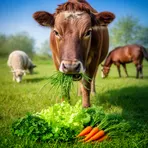
- Many noncarnivorous animals, such as cows and sheep, graze on grass and other vegetation.
Examples
-
Phytoplankton is subsequently ingested by noncarnivorous fish, beginning the journey of methylmercury up the food chain and its process of bioaccumulation.
Academic text (2002) -
Standards of decency change, and arbiters of etiquette have since adopted a more decent respect for the opinions of noncarnivorous mankind.
Academic text (2000) -
Some species of turtles are noncarnivorous and primarily eat plants like seaweed.
-
As noncarnivorous creatures, rabbits mostly feed on vegetables and fruits.
Synonyms
 1
6.7
1
6.7

An animal that eats only plants

Not hunting or eating other animals for food
Antonyms

How Carnivorous

Surface Forms
Morphology
noncarnivorous = carnivorous (transparent) = non + carnivorous
The adjective is formed by adding the productive negating prefix 'non-' to the clear adjective 'carnivorous'; learners who know 'carnivorous' will readily infer the meaning.
Etymology
Noncarnivorous is built from non- meaning 'not' and carni- meaning 'flesh', the same part you see in carnivore. So noncarnivorous literally means 'not eating flesh', which is why we use it for animals or diets that do not eat meat.