

nebula


 1
9.9
1
9.9
- noun
- /ˈnɛbjʊlə/
- Archaic
Examples
-
For example, in one figure of Andromeda (reproduced below) from a Medieval Latin manuscript, the nebula is even more conspicuous than in al-Sufi's original (at right), even though the Medieval authors may not have known what it meant, as the Arabic text was not available to them in Latin translation.
Academic text (1993) -
The doctor explained that the nebula on the cornea could affect my vision if not monitored.
-
She was diagnosed with a nebula in her left eye, which needed medical treatment to prevent further issues.
-
During the examination, the optometrist pointed out the nebula on the patient's cornea and discussed possible treatments.
Compounds

- Specialized
3
7.7
A glowing shell of gas thrown off by a dying star and lit by the star's strong light
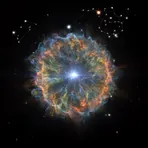 2
8.2
2
8.2
The remains of a star explosion that people first saw in 1054 in the constellation Taurus
- Archaic
1
8.1
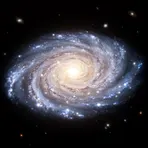
A large group of stars in a flat spiral shape with arms of young stars around an older centre
- Specialized
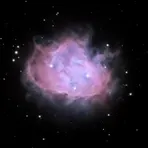
A cloud of gas and dust lit by nearby stars, seen as a faint hazy patch in the sky


Surface Forms
Etymology
Nebula comes from the Latin nebula meaning 'mist' or 'cloud', so in medicine a corneal nebula is like a tiny 'cloud' on the eye that can make your sight cloudy.