
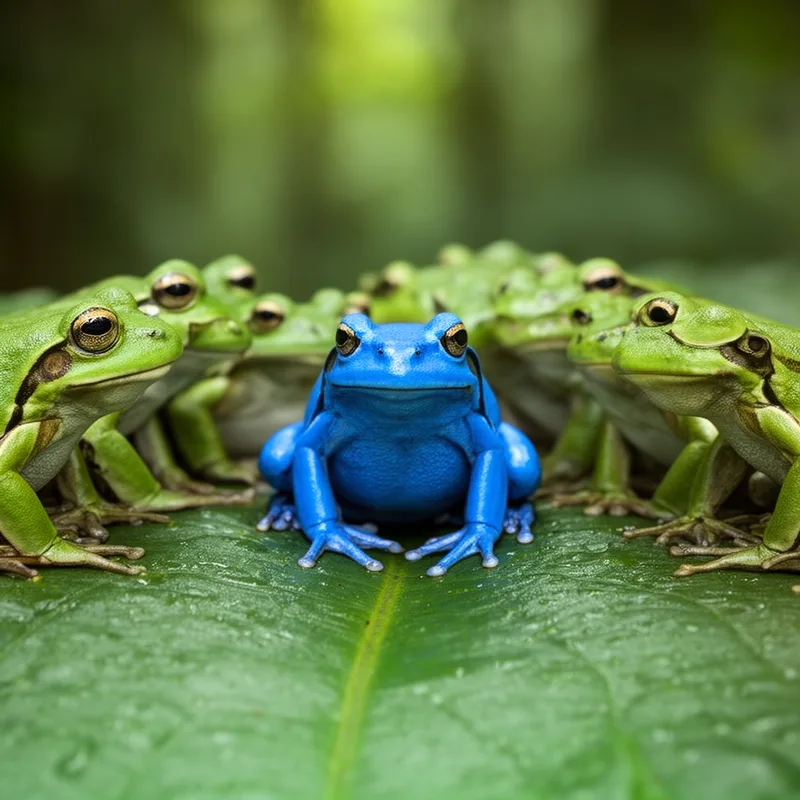
mutant
 582
5.1
582
5.1

- noun
- /ˈmjuːtənt/
- Specialized
- Scientists discovered a new type of mutant that can survive in extreme conditions.
- mutant gene
- mutant protein
- mutant virus
Loading YouTube…
Watch on YouTubeWe're digging Coach Carter with mutants, inner city mutants.
- We're digging Coach Carter with mutants, inner city mutants.
- And on the surface it's like, well, they were held in the mutants prison, so.
- And no one wants to sell their ape or their mutant.
- And this reminds me of the dude that Batman fights into the mutant leader.
- And now these mutants sort of rule, rule the planet and it's full of dangers and radioactive toxic.
Examples
-
This is a mutant.
-
I must face the undeniable and chilling truth, that I am a mutant.
-
Look at our little mutant babies!
-
Will that turn you into a mutant?
-
When loose and free, she is the most powerful mutant in terms of raw strength and capacity.
Academic text (2012) -
It's like we have mutants living among us on planet Earth.
-
The relative survival of the wild type and mutant is assessed in each microcosm.
Academic text (1995) -
And I just want to tell you some fun facts about the mutants that live among you redheads.
-
I am a mutant
-
The book describes how a mutant plant grew unusually large due to genetic changes.
Synonyms
 53
4.9
53
4.9
A different form of something, like a virus or recipe
 38
5.3
38
5.3
An animal or plant that has changed traits often passed to its young
 4
9.3
4
9.3
A plant part that is different from the rest because of a natural change
Compounds

- Specialized
1
5.8
A gene that has changed and makes a feature appear or work differently
How Modified
- Specialized

 1
8.2
1
8.2

- Specialized
27
4.1
- Specialized
582
5.1
- Specialized
1
5.5
Surface Forms
Morphology
Etymology
Mutant comes from the Latin mutare, meaning 'to change', the same root you see in mutate. As a noun, a mutant is an animal or plant that has been changed by its genes, so the word literally names a 'changed' organism.