
must
- noun
- /mʌst/
- Archaic
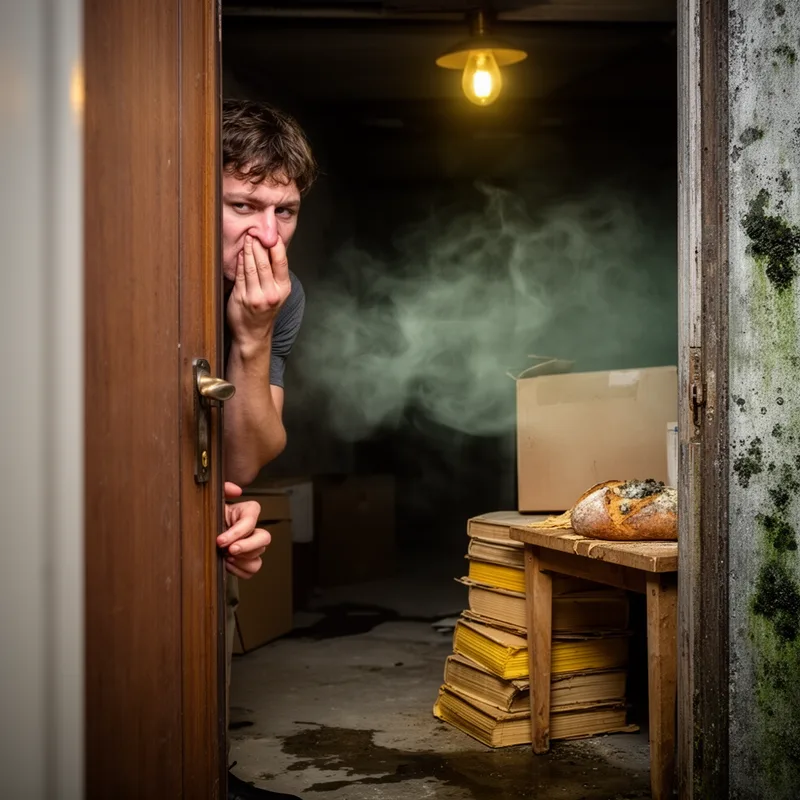
- The bread was stale and carried a distinct must that made it inedible.
Examples
-
After the rain, the old basement had an unpleasant must that lingered in the air.
-
Contour is a must for a Nikki makeup look.
-
Again, the MUST tool has been shown to independently identify those patients with COPD who are likely to go on to have a poor clinical outcome.
Academic text (2012) -
One such tool is the 'Malnutrition Universal Screening Tool' or 'MUST' (www.bapen.org.uk), which is recommended by NICE.
Academic text (2012) -
By our standards, however, the tweens must have almost always been unpleasant places, dim, crowded and reeking.
-
I quickly realize what it must be but can't admit to such foul putrid smell so start crinkling my nose as well and gagging.
-
The 'MUST' is a quick and simple tool that has been validated for use in primary care and involves 3 steps: assessment of body mass index (BMI), recent changes in weight, and likely nutritional intake over the coming 5 days.
Academic text (2012) -
The cheese had a strong must that made it difficult to eat.
Synonyms

 80
3.5
80
3.5

A very bad strong smell that makes you feel sick
 2
3.4
2
3.4
A bad, stale smell from damp or old things
 1
9.9
1
9.9
An unpleasant strong smell that comes from old or dirty things


 1
7.2
1
7.2
A stale, slightly moldy smell or taste in old damp things
 1
4.3
1
4.3
A strong unpleasant smell that makes people move away
 1
3.9
1
3.9
Food, air, or other things that are no longer fresh and smell bad

A stale, musty smell from old wood or damp rooms

A stale, musty smell in a room or object

A bad, stale smell or taste on food and in rooms that shows rot
Idioms


- Informal
Things that rise will later fall, for example prices or fortunes
Compounds



- Informal
A joking name for a woman whose real name people avoid saying
How Foul

Surface Forms
Etymology
Must meaning a stale, mouldy smell comes from an old English word mūst that meant 'mould' or 'rot'. So when old books or a cellar smell damp and old, you might say they give off a must.