

staleness


 1
3.9
1
3.9
Food, air, or other things that are no longer fresh and smell bad
- noun
- /ˈsteɪlnəs/
:
rancio
- You could taste the staleness of the crackers after they had been opened for weeks.
Examples
-
I'll take two loaves and pay half price due to the staleness.
-
Like I said, when you smell that staleness, it's not very, very.
-
The staleness of the bread was evident when I tried to make a sandwich.
-
The staleness of the air in the abandoned building made it hard to breathe.
Synonyms
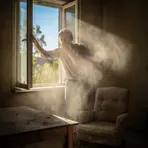
stale air
vsstaleness
2
2.8
Air that smells old and feels heavy
is a broad quality that applies beyond just atmospheres

mustiness
vsstaleness
1
7.2
A stale, slightly moldy smell or taste in old damp things
is a general loss of freshness, purity, or interest

musty air
vsstaleness
1
4.2
Air that smells stale and damp in a closed room
is broader, applying to many things that lose freshness, not only damp spaces

fustiness
vsstaleness
8.6
A stale, musty smell in a room or object
focuses on general loss of freshness rather than fashion or smell alone
Antonyms


How Fresh

Surface Forms
staleness singular
stalenesses plural
Morphology
Etymology
Staleness comes from the word stale meaning 'not fresh' and the ending -ness that makes a noun. Just like 'stale bread' or the smell in a closed room, staleness is the loss of freshness, purity, or interest caused by age or exposure to air.