

motif
 3
6.7
3
6.7

- noun
- /moʊˈtiːf/
- Specialized
- At the bottom, the body of the instrument is decorated with a repeated motif of interlocking curved forms.
- musical motif
- repeated motif
Examples
-
One of Beethoven's biographers would later call this pattern the Fate motif because it suggests the figure of fate knocking at the door.
-
We hear the rhythmic motif return with a faint trumpet fanfare.
Academic text (2015) -
Next, they sang the motif, starting on a variety of different pitches.
Academic text (2004) -
Finally, the children learned to play the motif on the xylophone.
Academic text (2004) -
A new musical motif hangs in the air: MUSIC announcing danger.
Fiction book (1995) -
The Extra-Terrestrial (1982) consists of several motifs dedicated to specific characters and situations throughout the film.
Academic text (2015) -
The triangle motif is also omnipresent, as in other Amazigh textiles, jewelry, and tattoo designs.
Academic text (2006) -
The orchestra played the motif several times to emphasize its importance in the symphony.
-
In many of her paintings, the artist incorporates a floral motif to create a sense of unity.
-
The song features a catchy motif that listeners can easily recognize after hearing it just once.
Synonyms
 173
3.4
173
3.4
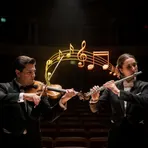
A melody that repeats and becomes the main musical idea
 88
7.5
88
7.5
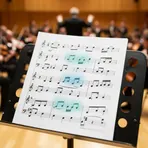
A short melody that returns and changes in a musical piece
 6
7.4
6
7.4
A short musical idea that repeats or changes through a piece
 1
9.1
1
9.1
A short musical idea that returns to show a person, place, or feeling
 1
3.4
1
3.4
The main tune that represents a person or idea in a piece of music
 1
3.4
1
3.4
A short group of notes that sounds complete in a piece of music


 1
5.8
1
5.8
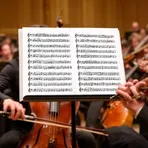
A main tune that returns and shapes a musical piece
 1
8.6
1
8.6
A short musical phrase or rhythm that repeats many times
 1
9.9
1
9.9
A short tune that comes back in music to represent a person or idea

A short easy to remember musical phrase that repeats in a song
How Prominent

Surface Forms
Etymology
Motif comes from the French motive and the old Latin root movere, which means 'to move'. In music a motif is a short idea that 'moves' through the piece by repeating, so the origin helps explain why it returns and holds the music together.