

metro
 50
1.8
50
1.8

- noun
- /ˈmɛtroʊ/
- I rode the LA Metro to and from this track.
Loading YouTube…
Watch on YouTubeBut unfortunately there had been a bombing the Paris metro not that long before that.
- But unfortunately there had been a bombing the Paris metro not that long before that.
- Gloomy mouth, a young Italian woman bending to retrieve a dropped Metro card.
- So remember, the terrorists might have their goal is they're going to attack the metro in DC, right?
- So let's imagine that we want to do that and besides that to have driverless cars and a metro system that really works and is extensive.
- Gets on the train in in the up north in the metro.
- And you, you, you may have it at the bus stop on the metro.
- But they're saying, if you think about it, it's not just those movies, but any of these movies, trains, subways, metros, cars, buses.
Examples
-
I had to take the metro.
-
There's a metro stop nearby.
-
Our plan right now is just to ride the metro, which is free.
-
But you also have lots of metro systems in cities that work like that.
-
Right here we have the metro station.
-
Then we just get the the metro back to downtown.
-
I'm taking the metro with my friends.
-
I do most of my outlining when I'm on the metro to work.
-
A metro train screams around the bend, lighting up the whole metro tunnel.
Fiction book (1997) -
I took the metro to the concert last night.
Synonyms
 268
1.0
268
1.0
Underground trains that carry people in a city
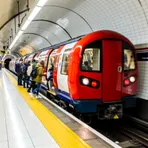 106
2.4
106
2.4
An underground railway in London that carries people
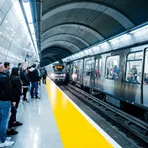 17
2.4
17
2.4
Electric trains that run under a city and carry many people
 7
3.6
7
3.6
An electric train system that runs below a city's streets
Compounds

- Archaic
A historical measure of length based on a swinging weight that completes one swing in one second
How Extensive
220
1.8
 50
1.8
50
1.8
Surface Forms
Etymology
Metro is short for the French métropolitain, from the Greek metropolis meaning 'mother city' or 'big city'. It began as the name for Paris's metropolitan railway, so a metro is an underground railway for a city.