
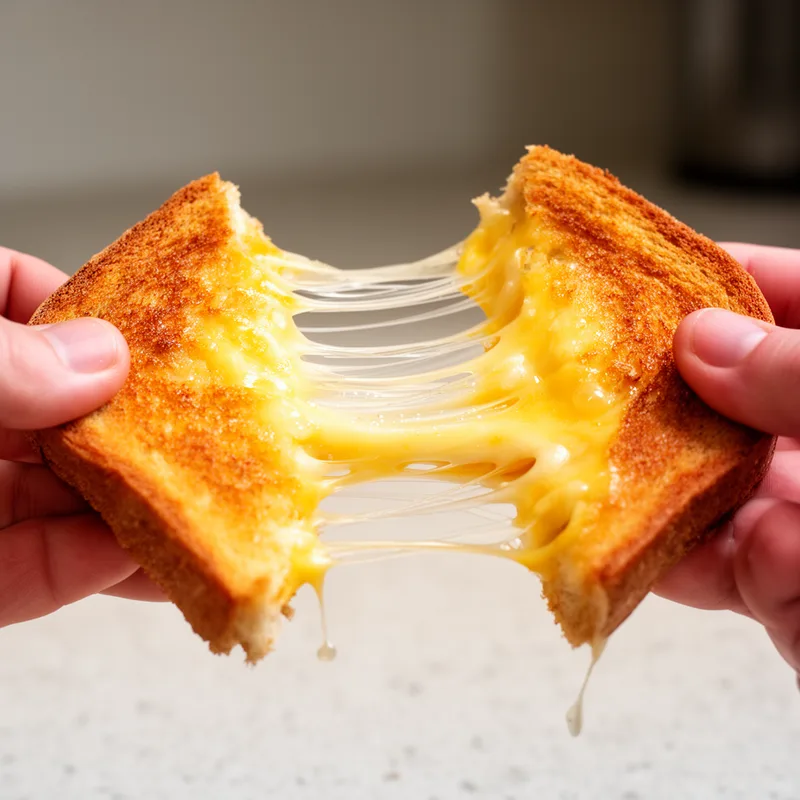
melty
 1
3.8
1
3.8

- adjective
- /ˈmɛlti/
- Informal
- The pizza was fresh out of the oven, with warm, melty cheese that stretched as we pulled a slice away.
Loading YouTube…
Watch on YouTubeThey have like a nice Sheerness, very melty and the colors are gorgeous.
- They have like a nice Sheerness, very melty and the colors are gorgeous.
- Zoe, always make sure your candy melts are melty enough.
- You then place another digestive biscuit on top and you make a melty marshmallow digestive delicious snack.
- This one feels as thick, as hydrating, as comfortable and as melty as those textures, but sounds like we're getting more color payoff.
Examples
-
I enjoy s'mores by the campfire, especially when the chocolate is perfectly melty between the graham crackers.
-
I liked eating it too when I was lit, all soft and melty in my mouth.
Fiction book (1991) -
My whole life was a warm, toasty, cinnamon, melty cream.
-
The swimming pools have closed, the sweaters are coming out, and you find yourself more susceptible to sinking your teeth into that warm, soft, melty Krispy Kreme donut in the break room at work.
Blog text (26) -
For dessert, we had brownies that were soft and melty, making them even more delicious with a scoop of ice cream.
Synonyms
 32
3.2
32
3.2
Soft and sticky like warm chocolate or cheese
 32
3.0
32
3.0
Soft and easy to squeeze, often a little wet and spongy
 18
2.0
18
2.0
Soft and wet like cooked vegetables or very ripe bananas
 9
5.9
9
5.9
Thick and sticky like jelly
 4
2.0
4
2.0
Wet, soft snow that is partly melted
 2
5.6
2
5.6
Thick and sticky in a wet, unpleasant way
 1
2.8
1
2.8
Easy to press and feels like a sponge
 1
4.1
1
4.1
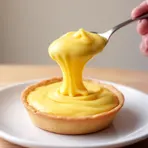
Soft and smooth with a rich, creamy texture like custard


 1
2.5
1
2.5
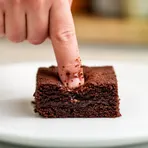
Food that is soft to touch with a sticky, melted inside
 1
7.4
1
7.4
Soft and a little wet so you can squeeze it easily
 1
3.6
1
3.6
So soft and tender that it disappears when you eat it

A soft sticky substance that feels unpleasant
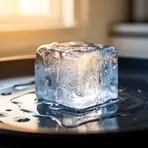
To change from a solid into a liquid because of heat, like ice to water
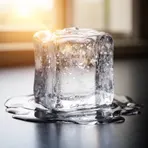
Becoming liquid because of heat
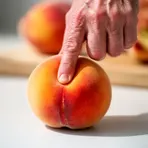
Having a little give when you press it

Feels squishy and a little wet when pressed
Antonyms

How Melty

Surface Forms
Morphology
Etymology
Melty comes from the verb melt ('to turn into liquid') plus the ending -y ('full of' or 'tending to'), so it means 'full of melting'. That's why we call cheese or chocolate melty when it becomes soft and gooey after warming.