

mandarin
 1
8.5
1
8.5

- noun
- /ˈmændərɪn/
- Political mandarins often influence major decisions behind the scenes.
- mandarins of policy
- foreign policy mandarins
- political mandarins
Examples
-
Through the wise guidance of mandarins looking for undiscovered genius, the MacArthur Foundation argues, great deeds will occur.
Academic text (2010) -
In his time, Howard Beale had been a mandarin of television... the grand old man of news... with a HUT rating of 16 and a 28 audience share.
-
"Even by the close of the first century, Roman citizenship had lost most of its advantages," one Oxford mandarin wrote.
Fiction book (2001) -
Foreign policy mandarins often wish the public would leave them alone so that they can get on with the serious business of statecraft.
Academic text (2011) -
The real prisoners, the ones who blindly serve systems of power and force, are the mandarins inside the White House, Congress, and the Pentagon.
Blog text (12) -
Resolving it has long been the Holy Grail for American foreign policy mandarins, many of whom have been capable lawyers who ought to know better than to take on such a glaring conflict of interest.
Blog text (26) -
Mandarins of the Bush (père and fils) cohort sought and received mere token presence in the conservative establishment.
Blog text (33) -
The country's senior mandarins played a crucial role in shaping its cultural policies.
-
Many people see academy mandarins as the gatekeepers of intellectual discourse.
Synonyms
 57
4.5
57
4.5
A person, team, or organization that is very successful and able to influence others
 4
9.5
4
9.5
A very important person in a group or organization, often the most powerful


 1
8.9
1
8.9
An important person in charge who people call jokingly

A person who is the most important leader in a field

A joking name for a person who has great power in a group
Compounds
 1
3.7
1
3.7
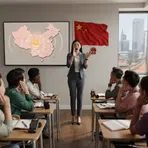
The main form of Chinese spoken in Beijing and used as China's official language



The main form of Chinese spoken in Beijing and used as China's official language
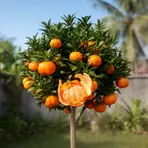
A small tree from Southeast Asia that grows sweet, easy-to-peel orange fruit

How Influential

Surface Forms
Etymology
Mandarin can also mean an influential or powerful person because real mandarins were high government officials with real power. That's why calling someone a mandarin now suggests they are part of the elite or have strong influence.