

lysin
- noun
- /ˈlaɪsɪn/
- Specialized
- Some antibiotics function as lysins, destroying harmful microbes by causing cell lysis.
Examples
-
The immune system produces lysins to target and break down foreign cells.
-
Researchers discovered a new lysin that attacks the bacterium's cell wall.
-
The lysin in the solution effectively breaks down the bacterial cells.
-
Researchers are studying different types of lysins for their potential medical applications.
-
Scientists have developed a lysin that can effectively destroy tumor cells in laboratory tests.
-
The lysin released by the bacteriophage penetrates the bacteria's outer membrane, leading to cell death.
-
In their research, they identified a lysin that specifically targets and lyses antibiotic-resistant bacteria.
Synonyms
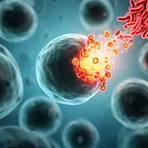
A substance that breaks open animal cells by damaging their cell membrane

A substance that destroys red blood cells and releases the red protein in them
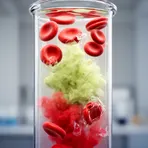
A substance that destroys red blood cells and releases their red pigment
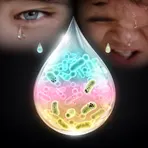
A protein in tears, saliva and sweat that kills some bacteria
Surface Forms
Morphology
lysin = lysis (opaque) = lys + in
The term 'lysin' is derived from 'lysis' with the suffix '-in', but this formation is not transparent to learners unfamiliar with scientific terminology.
Etymology
Lysin comes from an old Greek word lysis, which means 'to break apart' or 'to loosen' and appears in words like analysis, where you 'break' something into parts. So a lysin is named for what it does: a substance that 'breaks' or destroys cells.

