

lycanthropic


 1
9.9
1
9.9
- adjective
- /ˌlaɪkənˈθrɒpɪk/
- Specialized
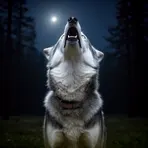
- Many cultures throughout history have legends about lycanthropic beings that roam the forests under the full moon.
Examples
-
In my four thrillers about Milwaukee homicide detective Nick Lupo, I portrayed him as a tragic hero at first, a slave to his lycanthropic condition, but his arc shows the complexity of his morality.
Academic text (2011) -
The patient described his lycanthropic delusion, believing he could transform into a wolf during the night.
-
There is an even rarer condition named Good Lord Lycanthropic into metamorphosis.
-
In folklore, characters often suffer from a lycanthropic curse that turns them into wolves when the moon is full.
Synonyms

How Delusional

Surface Forms
Morphology
lycanthropic = lycanthropy (opaque) = lycanthropy + ic
Standard adjective formation from the noun 'lycanthropy' with '-ic' meaning 'relating to' or 'pertaining to'.
Etymology
Lycanthropic comes from Greek roots lycan- ('wolf') and anthropos ('man'), which together mean 'wolf-man'. So, in medicine and stories the word is used for the belief or delusion that someone can become a wolf.