
live-bearing
6.8
Giving birth to live young instead of laying eggs
- adjective
- /ˈlaɪvˌbɛrɪŋ/
:
vivíparo
- Certain reptiles are live-bearing, which allows them to adapt better to their environments by protecting their young from external dangers.
Examples
-
The one egg-laying species examined here, Eryx jayakari, is nestled firmly in the middle of the boa family tree, which strongly indicates that its ancestors were live-bearing boas.
Blog text (23) -
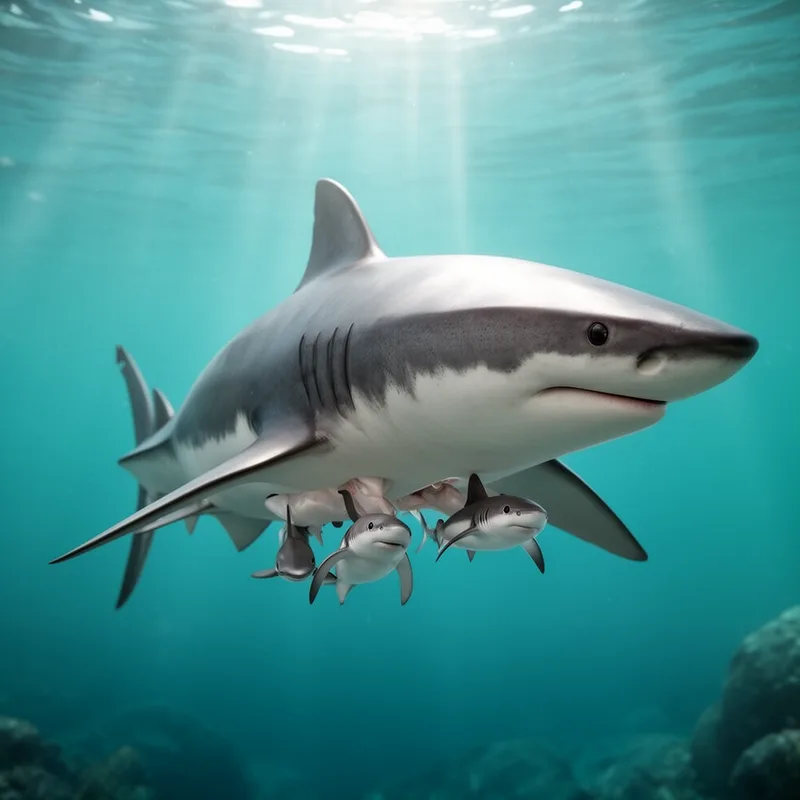
Some species of sharks are live-bearing, giving birth to fully formed young instead of laying eggs.
-
In the animal kingdom, live-bearing mammals nurture their young inside their bodies until birth.
Synonyms

9.3
To give birth to live young that grow inside the mother's body
is the general term for producing living young rather than laying eggs
9.9
Giving birth to young that hatch from eggs inside the mother's body
is more general and does not specify internal egg hatching
Antonyms


Surface Forms
live-bearing positive
Morphology
Etymology
The word live-bearing comes from live ('alive') and bearing from 'to bear', meaning 'to carry' or 'give birth', just like in childbearing. So, a live-bearing animal carries and gives birth to living young instead of laying eggs.