
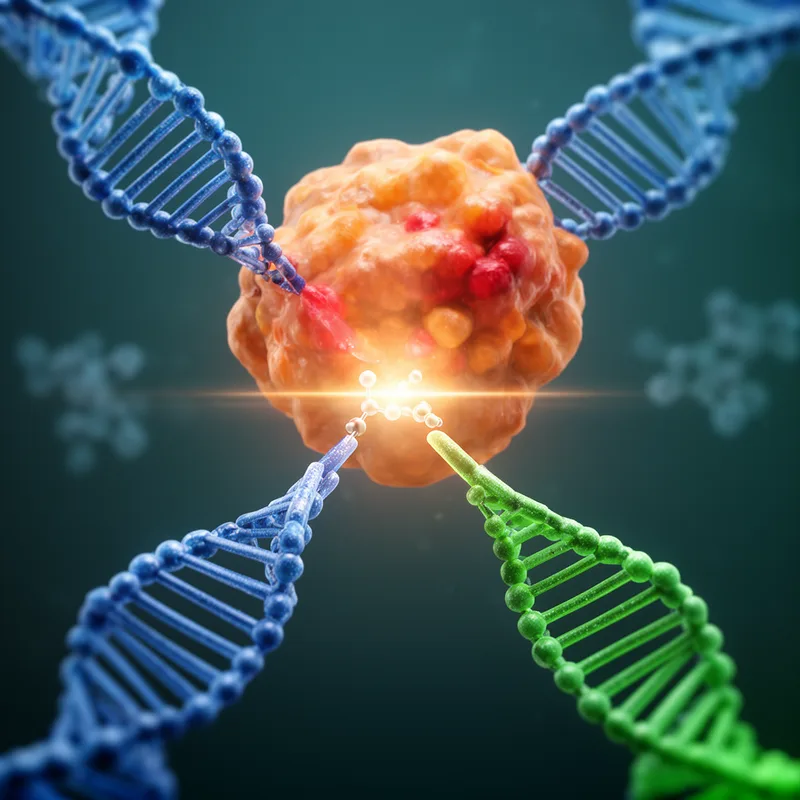
to ligate


 1
9.9
1
9.9
- verb
- /ˈlaɪɡeɪt/
- Specialized
- So you just use the phosphate and noh like to ligate two different adapters.
Examples
-
To study genetic modifications, researchers ligate pieces of DNA using specific enzymes.
-
You have little DNA fragments that have to be ligated together on this strand.
-
Double-stranded adaptor DNA fragments with a complementary overhang are ligated to the ends of the cut fragments.
Academic text (2010) -
The applications were gel-purified (AXYGEN, USA) and ligated into the pMD-18T vector (Takara) for sequencing.
Academic text (2015) -
In molecular biology, scientists often ligate DNA fragments to create a recombinant DNA molecule.
-
After preparing the samples, the technician will ligate the DNA segments to ensure they bond properly.
Synonyms
 1
7.1
1
7.1
To join with another substance, often in a chemical reaction
 1
7.0
1
7.0
To join two nearby chains of atoms in a molecule by forming bonds between them
 1
9.2
1
9.2
To join things by twisting or linking them together
To join two molecules together to make a pair
Antonyms

Surface Forms
Morphology
ligate = ligature (semi-transparent) = lig + ate
The binding sense is extended metaphorically to chemical joining; form is related but the domain-specific meaning may not be obvious to general learners.
Etymology
The word ligate comes from the Latin ligare, 'to bind' or 'to tie'. In chemistry and biology to ligate molecules or DNA is to 'tie' them together with a bond, so the root 'bind' explains the modern meaning.