
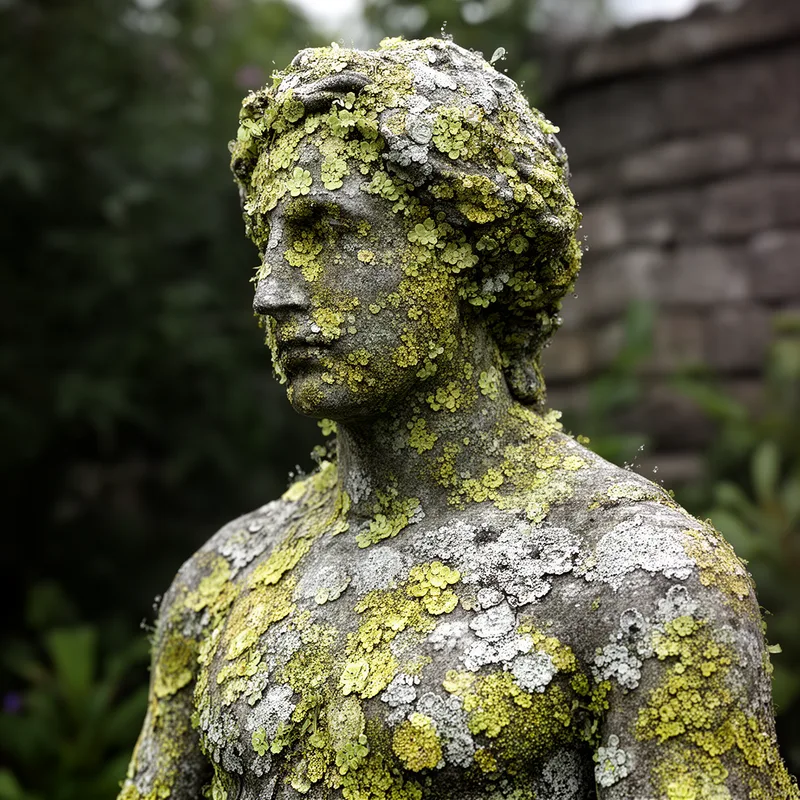
to lichen
- verb
- /ˈlaɪkən/
- Specialized
- The water bucket, half an inch from empty, sat on a flat, lichened rock that was almost level.
Examples
-
They noticed how quickly the logs began to lichen after being left outside.
-
As time passed, the stone wall started to lichen in the shaded areas.
-
The old tree began to lichen as it was exposed to the damp weather.
Synonyms
To become covered with small green or grey growths on things like stone and wood
Compounds


- Specialized
A skin disease that causes shiny, flat, purple, itchy bumps on the wrists or forearms

- Specialized
A skin problem that causes shiny flat purple itchy bumps on the arms and thighs


- Specialized
A plant-like growth with long thin threads that hang from tree branches

- Specialized
A living growth of thin, hair-like threads that hangs from tree branches

- Specialized
A pale, branched plant-like growth that grows on rocks in cold, high places and is used as food or medicine
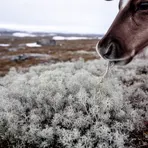
- Specialized
A grey bushy growth like a small plant that covers the tundra and feeds reindeer
Surface Forms
Etymology
The verb lichen comes from the same Greek root leichēn and simply means to become covered with lichen; think of a surface being slowly 'licked' over by these patchy growths, which is why we say something has 'lichened' when it is covered.

