
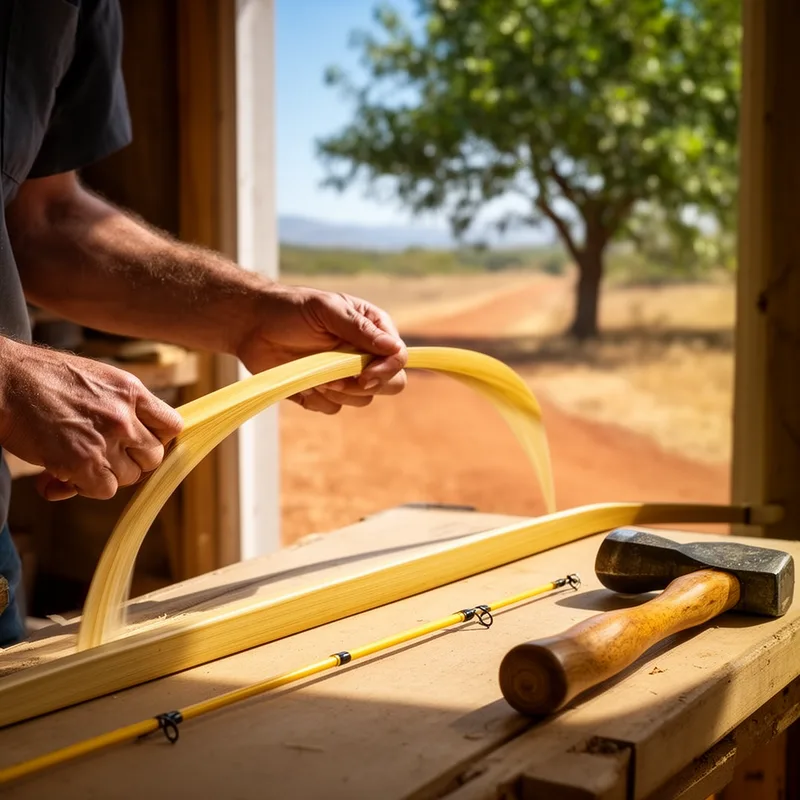
lemonwood
- noun
- South African
- Traditional archers value lemonwood for its flexibility in making longbows.
Examples
-
The fishing rod's shaft was crafted from durable lemonwood.
-
The bow was crafted from lemonwood.
-
Because of its strength, lemonwood is also sometimes used in tool handles.
-
Many fishermen prefer lemonwood for their rods.
-
Skilled craftsmen often choose lemonwood for making lightweight yet durable fishing rods.
-
Due to its elasticity and strength, lemonwood is a favored material for crafting bows.
-
The longbow was expertly made from lemonwood, providing both strength and flexibility.
Synonyms

 44
1.0
44
1.0

Hard wood from the oak tree that lasts a long time and is used for furniture
 2
5.9
2
5.9
Wood from apple trees used for smoking food and for carving
 1
6.5
1
6.5
Hard, strong wood from an elm tree used to make furniture and tools
 1
6.5
1
6.5
Hard pale wood from a beech tree used to make furniture, floors, and tool handles
 1
4.3
1
4.3
Wood from a large tree with smooth grey bark used for floors and tool handles
 1
3.9
1
3.9
A type of wood from cherry trees used for furniture and smoking food
 1
7.8
1
7.8
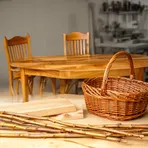
Wood from a small tree that people use to make furniture and baskets
 1
3.0
1
3.0
Hard, strong wood from a large shade tree used for furniture and tools
 1
8.5
1
8.5
Very hard wood used for strong tools and heavy building


 1
7.4
1
7.4
Hard dense wood people use for carving and making small tools
 1
7.6
1
7.6
Hard light yellow wood from a small evergreen tree used for fine carving and instrument parts
 1
9.1
1
9.1
Wood from an orange tree used for small detailed craft work

A strong straight wood from tropical trees that people use to make long poles, walking sticks, and tool handles

A hard strong wood with a spotted pattern used to make furniture and decorative items

Dense hard wood from a shrub root used to make tobacco pipes

Hard heavy red wood from tropical trees often used for furniture
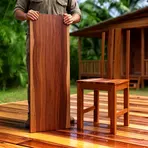
A very hard wood from a South American tree used for building and furniture

A very dark, dense wood used for furniture and musical instruments
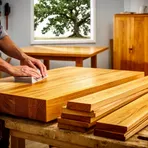
Hard wood from oak trees used to make furniture

A tropical American tree with hard and long lasting wood used for furniture

Wood from a birch tree that people use to make furniture and buildings

Wood from trees that grow fruit, like apple or cherry, used for furniture

Hard smooth wood from the pear tree used to make instruments and small objects
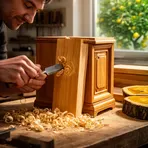
Strong, fragrant wood from the citron tree used for carving and making furniture

Wood from that tree used for fuel, carving, and building

A hard, rare wood from Brazil used for fine furniture
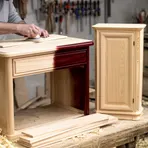
Wood from a tulip tree used for making furniture

A tree from the West Indies with smooth, shiny wood used for fine furniture
Compounds

- South African
A South African evergreen tree that has hard, strong wood used for furniture and tools
How Hard

Surface Forms
Morphology
Etymology
The word lemonwood is a simple compound of lemon and wood, named for the tree's 'lemon-like' smell. So, lemonwood means the wood of that tree, and its hard but flexible quality makes it good for bows and fishing rods.