
lang syne


 1
9.9
1
9.9
- idiom
- Archaic
- We often reminisce about the carefree days of auld lang syne during summer vacations.
Examples
-
He spoke fondly of the auld lang syne when life was simpler and joys were plentiful.
-
Should auld acquaintance be forgot and days of auld lang syne?
Fiction book (1994) -
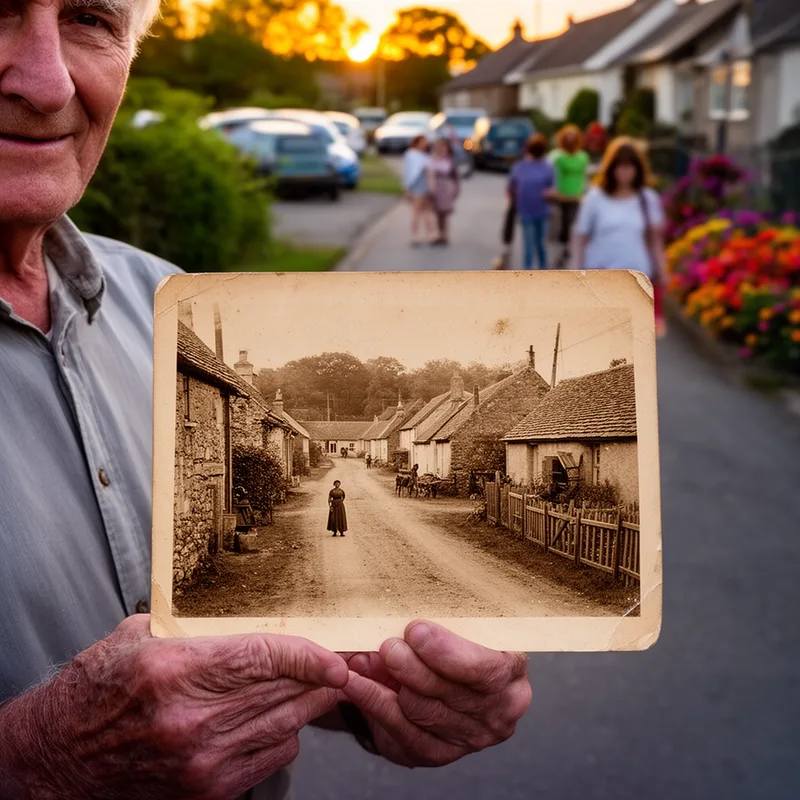
The old photographs reminded her of friends and memories from auld lang syne.
Synonyms
 521
1.0
521
1.0
A long time in the past
 87
4.6
87
4.6
Saying that something happened many years ago and is not true now
 1
3.5
1
3.5
A time very far in the past often used to begin a story

A long time ago
Surface Forms
Morphology
lang + syne
The phrase is compositionally interpretable if a learner recognizes Scots 'lang' as 'long' and 'syne' as 'since/ago' — together yielding 'long ago'. However, 'syne' is archaic/Scots and the construction is dialectal/literary rather than a standard modern English pattern, so the meaning is not fully predictable or immediately accessible to an average B1 learner.
Etymology
Lang syne comes from the same old Scots words lang ('long') and syne ('since'); people used the phrase in speech and song to say 'long ago', so as an adverb it means 'in times long past' or 'long ago'.