

knightly
 1
8.0
1
8.0

- adjective
- /ˈnaɪtli/
- Archaic
- The knightly code of conduct emphasized bravery, courtesy, and loyalty to one's lord.
Examples
-
Her role in the narrative can be equated to that of medieval maidens, who often serve as catalysts for knightly adventures.
Academic text (2003) -
You, Durbeyfield, are directly descended... from the knightly house of the d'Urbervilles.
-
We're true descendants of the knightly d'Urbervilles.
-
A knightly quest?
-
Today the curios of his period are worth their weight in gold, and all the knightly traditions of the land cluster around his name and reign.
Blog text (22) -
How long are we going to outgrow our attachment to this medieval form of knightly combat where wars are fought by warriors in isolated battles?
Blog text (22) -
However, chivalry as we know it—the knightly code of honor—apparently began in 12th century France according to Joseph Campbell:
Blog text (4) -
Jimena addresses her husband with a knightly title and epithet, introduces herself and those with her, summarizes the circumstances, and requests words of strength and solace.
Academic text (1991) -
Or maybe Sancho was sleeping in the orchard and this pacing of my uncle's was some knightly vigil he had to keep to honor a vow.
Fiction book (1999) -
The hero embarked on a knightly quest to save the trapped princess from the dragon.
Synonyms
 274
3.6
274
3.6
Having high moral qualities and kind intentions
 17
4.4
17
4.4
Polite and considerate in a calm, respectful way
 15
7.5
15
7.5
Showing polite, protective, and brave behavior like a knight
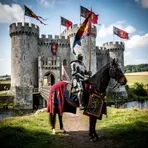 14
6.5
14
6.5
Having knights, castles, and a system where lords held power
 3
6.5
3
6.5
Having a calm, proud, and impressive appearance
 1
9.9
1
9.9
Having the courage, honour, and manners of knights in the Middle Ages
Surface Forms
Morphology
Etymology
The word knightly comes from knight plus the ending -ly. The old word knight originally meant a 'young man' or 'servant' and later became the name for a horse rider and warrior in the Middle Ages, so knightly describes things connected to those men and that time.