
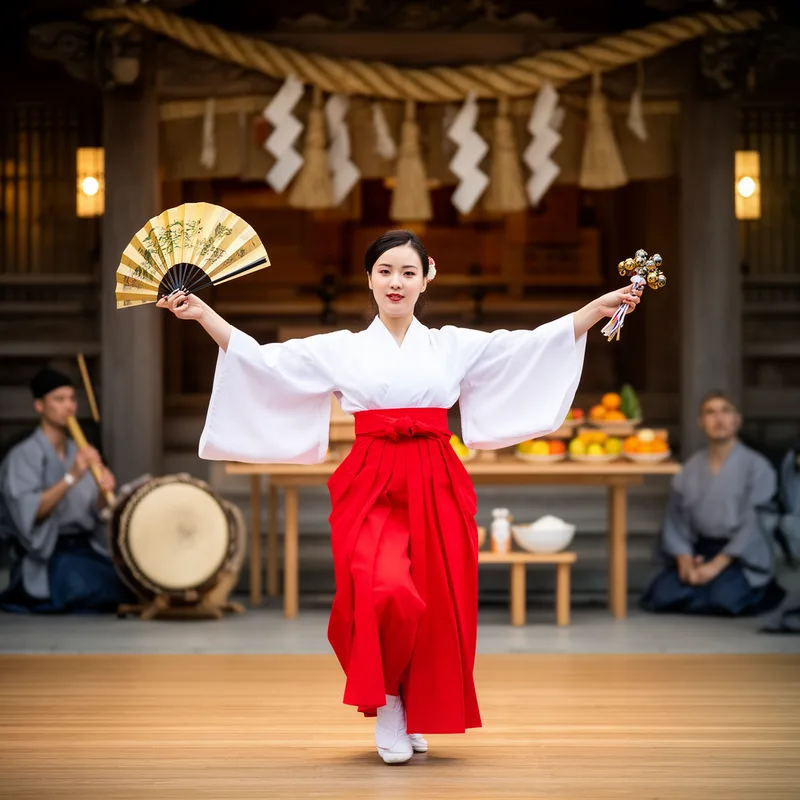
kagura


 1
9.9
- noun
- /kəˈɡuːrə/
- The kagura is often accompanied by music and serves as a spiritual offering during Shinto ceremonies.
Examples
-
At the shrine, dancers dressed in elaborate costumes performed a beautiful kagura to celebrate the harvest.
-
He studied the symbolic movements of kagura to better understand Shinto rituals.
-
Many Japanese festivals include kagura to invoke blessings and good harvests.
-
The shrine's celebration featured a graceful kagura performance in honor of the local deities.
-
The kagura performance captivated everyone at the festival.
-
She practiced kagura for years before performing.
-
During the festival, the local community gathered to watch the traditional kagura dance performed in honor of the gods.
Synonyms
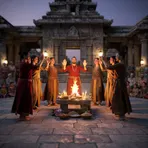 2
5.8
A dance performed during a religious or traditional ceremony
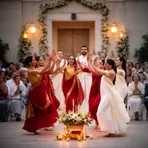 1
5.8
A dance done during religious or ceremonial events like weddings and funerals
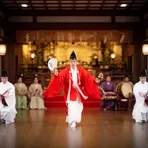
A formal Shinto dance that priests perform at important shrine and imperial ceremonies in Japan
How Ceremonial

Surface Forms
Etymology
Kagura comes from Japanese parts kami meaning 'god' and gaku meaning 'music' or 'joy', so it originally meant 'music for the gods'. That's why kagura today is a Shinto dance and music performed at festivals to honor the gods.