
inversion
- noun
- /ɪnˈvɜrʒən/
- Specialized
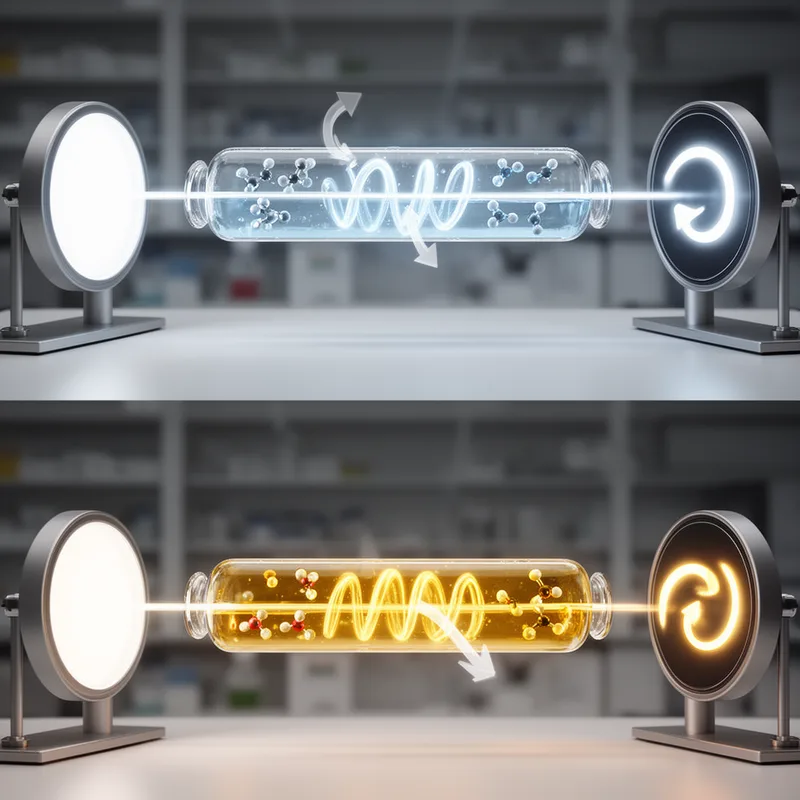
- The chemist explained that the process of inversion is crucial for understanding how certain compounds exhibit different optical rotation behaviors.
Examples
-
The clinical implications of such chiral inversion in humans remain unclear.
Academic text (1991) -
Could stereoselective inversion be related to some forms of toxicity?
Academic text (1991) -
When that is the case, we're going to call that temperature the inversion temperature or T by NV.
-
Electrocardiogram showed T-wave inversion on the aVL, V5, and V6.
Academic text (2007) -
Population inversions in molecules such as OH, CH, methanol, and H2O produce strong natural maser emission.
Academic text (1999) -
For certain compounds, inversion can lead to significant changes in their chemical properties and how they interact with light.
-
The study focused on how inversion in molecular structure affects the optical activity of various substances.
Synonyms

 25
4.2
25
4.2

A change to the opposite direction or position, for example when wind turns
Compounds

- Specialized
To find a matrix that, when multiplied by the original, makes the identity matrix

Surface Forms
Morphology
Etymology
Inversion comes from the Latin invertere, where in- means 'in' and vertere means 'to turn'. In chemistry, an inversion is a 'turning' of how a substance rotates light, so the direction of rotation changes.