

intracranial
 15
7.9
15
7.9

- adjective
- /ˌɪntrəˈkreɪniəl/
- Specialized
- Monitoring intracranial pressure is crucial after a severe head injury to prevent further complications.
- intracranial pressure
- intracranial hemorrhage
- intracranial extension
Loading YouTube…
Watch on YouTubeSo this patient died after the increase in intracranial pressure and that followed by brain death because of the buffer overflow.
- So this patient died after the increase in intracranial pressure and that followed by brain death because of the buffer overflow.
Examples
-
According to the literature, these masses account for approximately 1% of all intracranial tumors.
Academic text (2006) -
Most patients presenting with intracranial epidermoids are in their third or fourth decade of life.
Academic text (2006) -
Some of the issues are increased intracranial pressure.
-
The potential for intracranial brain damage was too great.
-
The brain appeared to be normal, as there was no evidence of intracranial extension.
Academic text (2006) -
You had an intracranial hematoma.
-
Obviously his intracranial pressure's going to need to be monitored overnight.
-
CT of the head detected no evidence of an acute intracranial process.
Academic text (2006) -
There's no evidence of intracranial bleeding.
-
When a mass is identified, MRI is essential for assessing possible intracranial extension.
Academic text (2002)
Synonyms

 1
9.8
1
9.8
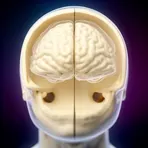
Inside the skull, near the space where the brain sits
Antonyms
Compounds

- Specialized
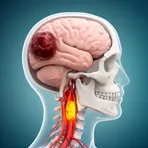
A weak area in an artery inside the skull that bulges and can bleed
How Deep

Surface Forms
Morphology
intracranial = cranial (semi-transparent) = intra + crani + al
Meaning 'within the skull' is compositionally clear, but the prefix 'intra-' is medical/technical and may be unfamiliar to general B1 learners.
Etymology
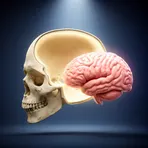
The word intracranial is built from intra- meaning 'within' and cranium meaning 'skull', so it means 'inside the skull'.