
to intern
 5
8.7
5
8.7

- verb
- /ɪnˈtɜrn/
- Formal
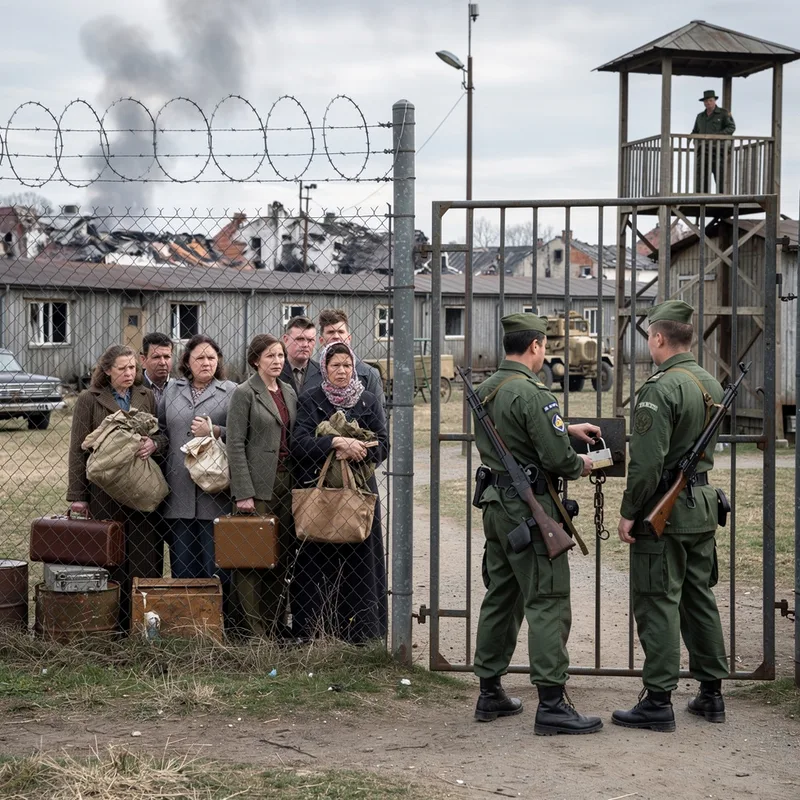
- Such women were evacuated and interned for the duration of the war.
- Japanese were interned
- Japanese-Americans were interned
Loading YouTube…
Watch on YouTubeShe's actually interned in a camp which is really far down in the, the rural, you know, area of France near the Pyrenees.
- She's actually interned in a camp which is really far down in the, the rural, you know, area of France near the Pyrenees.
Examples
-
So they are all non citizens who are being interned in in various ways.
-
Her husband and her eldest son Eric had to be interned.
-
Four hundred and fifty captured and interned.
-
Had the Japanese disbanded the police and the civil administration when they interned the British forces?
Academic text (2007) -
A year later Costa Rica joined the war against Germany and interned German citizens.
-
Hundreds of Jews were summarily arrested and interned.
Academic text (2013) -
However, the report continued, the interned men consistently report degrading treatment by the German officers immediately following capture.
Academic text (2010) -
Throughout the world today, there are men, women, and children interned indefinitely, awaiting trials.
Academic text (2018) -
My late uncle, H. Ford Wilkins, was interned at Santo Tomas in the Philippines.
Blog text (11) -
During World War II, the government decided to intern thousands of Japanese Americans in camps across the country.
Antonyms

Compounds

- Specialized
A person training to be a doctor while working with help from senior doctors in a hospital
How Detained

Surface Forms
Etymology
Intern (verb meaning to confine) comes from the same Latin root internus meaning 'inside'. It was used for putting people 'inside' camps or prisons during war, so to intern someone is to detain them for security or political reasons.