
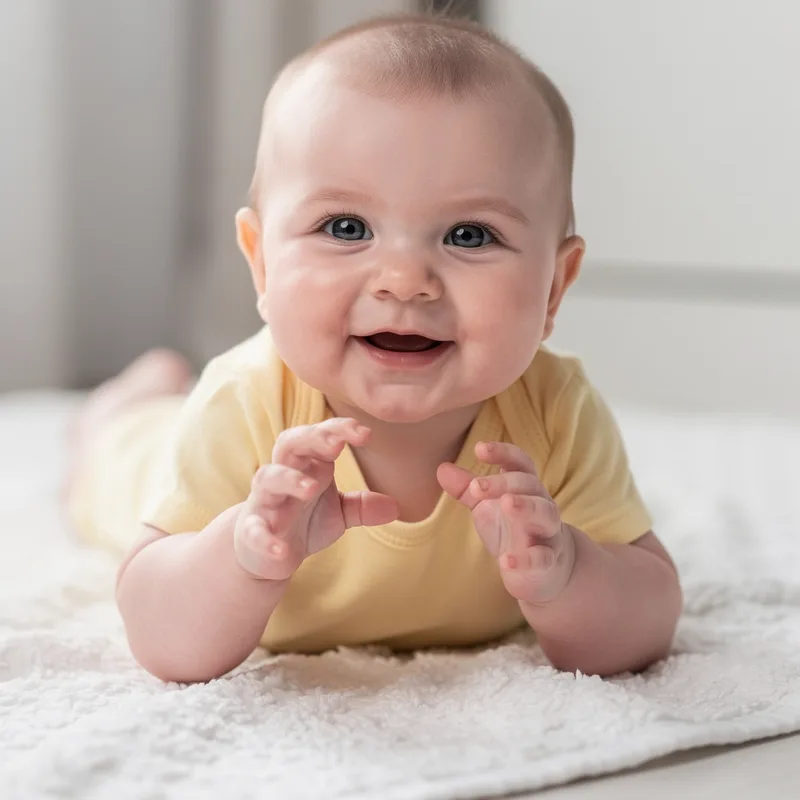
infant
 411
1.0
411
1.0

- noun
- /ˈɪnfənt/
- During the first few months, an infant requires frequent feeding and sleep.
- month-old infants
- age of infants
- infants are born
Loading YouTube…
Watch on YouTubeSo I said, well, infants can't and don't consent.
- So I said, well, infants can't and don't consent.
- Simply put, mirroring is something that every infant and child needs.
- And the word infants means not yet speaking.
- And when someone does it, the infant is learning.
- It was not OK when we had infants and toddlers.
- I can make sure that this infant gets prescriptions for medications.
- Now it's clear to you that if I don't feed an infant, they're going to be hurt.
- Put to death men and women, children and infants, cattle and sheep, camels and donkeys.
- First of all, the immune systems of infants is a lot stronger than you may think.
- It's Augustine particularly who's responsible for infant baptism.
- Sucking toes on an infant is creepy dog.
- The mother carrying the infant in the womb.
Examples
-
The study began as a perinatal health survey that enrolled all live infants born at three maternity hospitals.
Academic text (2011) -
Mothers who receive a CF diagnosis for their infant are obviously shocked and anxious.
Academic text (2011) -
As an infant enters the world, it begins to bond with its parents.
-
Bonding may be affected, especially when the infant has been frequently hospitalized.
Academic text (2011) -
First and foremost is safety and child-friendliness: infants using the experimental device must be both secure and comfortable.
Academic text (2011) -
Imitation is easily observable in infants, who, when exposed to an observable action, begin to imitate the action.
Academic text (2011) -
The infant giggled when her mother played peek-a-boo.
-
Doctors recommend that infants should be given vaccines at an early age.
Synonyms
 ∞
1.0
∞
1.0
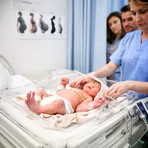
A very young child or animal that cannot walk and cannot talk yet
 51
1.0
51
1.0
A very young child who cannot yet walk or talk
 1
9.8
1
9.8
A baby or very young child
A very young child such as a newborn
A very young child in old language
Antonyms

Compounds

- Specialized
20
4.1
The number of babies who die before their first birthday in a group of people

- Specialized
7
3.7
Number of babies who die before their first birthday per 1,000 live births


- Specialized
2
3.7
The sudden death of a baby under one year while sleeping, with no known cause





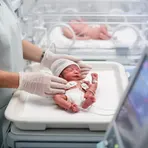


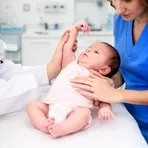
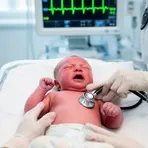
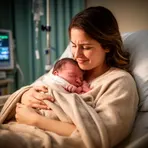
- Specialized
An emotional tie between a mother and her baby that starts after birth


- Specialized
The number of babies who die before their first birthday for every 1,000 live births
- Specialized
A baby who is born after 42 weeks in the womb and may need special care

- Specialized
A newborn much smaller and lighter than other babies born at the same stage of pregnancy

- Specialized
A baby who is much smaller and lighter than usual for their pregnancy length

How Young

Surface Forms
Etymology
The word infant comes from the Latin infans, made of in- 'not' and fari 'to speak'. So an infant was originally a 'not-speaking' person, which is why the word now means a very young child who has not yet started to talk.