
inconsonant

inconsonant

9.9
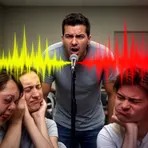
Making a harsh, clashing sound
  • adjective
  • /ˌɪnˈkɒnsənənt/
translation icon : disonante
  • Some modern composers intentionally use inconsonant harmonies to create tension in their music.

Examples

  • The two singers' voices were inconsonant, making the duet sound jarring.

  • The orchestra's performance was marred by an inconsonant note that stood out sharply.

  • The inconsonant notes created an unsettling atmosphere.

  • Her voice sounded inconsonant with the melody.

  • The two instruments produced an inconsonant sound that was difficult to listen to.

  • The inconsonant melodies in the piece made the audience feel uncomfortable.

  • His inconsonant opinions often clashed with the views of the group, leading to heated discussions.

Synonyms

jarring
vsinconsonant
20 6.1

A loud, harsh sound that feels unpleasant and surprising

is focused on ongoing musical clashing rather than sudden startling sounds
incongruous
vsinconsonant
14 7.4

Not fitting with the things around it and looking strange

is about harsh clashing sound rather than being merely out of place
discordant
vsinconsonant
9 7.4

Not fitting together and often clashing in sound or opinion

is about audible harsh clashing specifically rather than broader disagreement
dissonant
vsinconsonant
  • Specialized
3 7.3

A combination of musical notes that sounds harsh and unsettled

is the broader general term for harsh clashing sounds in music
cacophonous
vsinconsonant
2 8.4

Making a loud, harsh noise that is unpleasant to hear

is less about noisy mixture and more about musical clashing of tones
incongruent
vsinconsonant
1 7.9

Not matching what it should be in shape or meaning

is narrower referring to sound clashing rather than general structural mismatch
unresolved
vsinconsonant
  • Specialized
1 7.7

A chord that sounds tense and unfinished

is about harsh clashing sound overall rather than missing harmonic ending
inharmonious
vsinconsonant
1 8.3

Things that do not look or sound pleasant together

is used for harsh clashing musical tones rather than overall mismatch
cacophonic
vsinconsonant
1 9.3

Has a loud, harsh sound that is unpleasant
is the term for clashing musical tones rather than mere noisy sounds
grating
vsinconsonant
1 6.2

A harsh, unpleasant sound or voice that is hard to listen to

is about clashing musical notes rather than simply irritating rough noises
unmusical
vsinconsonant
1 6.0

Having a harsh sound that is not pleasant to hear

is more specifically about clashing musical notes rather than no musical sense
unpleasing
vsinconsonant
1 4.8

Unpleasant to the senses, like a bitter taste or bright light

is specifically about harsh clashing sounds rather than general unpleasantness
inharmonic
vsinconsonant
9.9

A sound that does not fit with other tones and seems rough

is focused on clashing sounds rather than general absence of melody or tune
unharmonious
vsinconsonant
7.3

Not pleasing together in sound, color or feeling

is narrower and points to harsh clashing sound rather than general disunity
dysphonic
vsinconsonant
9.8

A harsh, unpleasant sound that hurts the ears

is the more general label for harsh clashing sounds across settings
clashy
vsinconsonant
8.4

Having a harsh, unpleasant mix of colors, sounds, or styles

is specific to musical clash not general mismatches in appearance or style
unmelodious
vsinconsonant
8.0

Not having a pleasant, musical sound

is stronger about active clashing and lack of harmony in music
unmelodic
vsinconsonant
6.5

A voice or music that is not pleasant to hear

is about clashing or harsh tones rather than simple lack of melody
untuneful
vsinconsonant
5.7

Not making a pleasant tune

is used for harsh clashing sounds rather than just untidy tunes

How Consonant

harmonious
2 4.2
consonant
3 6.0
inconsonant
9.9
dissonant
  • Specialized
3 7.3

Surface Forms

inconsonant positive
inconsonanter comparative
inconsonantest superlative

Morphology

inconsonant = consonant (transparent) = in + consonant

This sense is a regular negative formation from 'consonant', meaning 'not harmonious' or 'not in consonance'.

Etymology

Inconsonant comes from the parts in- 'not' and consonant, which comes from a root meaning 'to sound together'. So an inconsonant note is 'not sounding together' with the rest and therefore sounds harsh or clashing.