

in thunderation


 1
9.9
- idiom
- Archaic
- What in thunderation is going on here?
Examples
-
In thunderation, where did you find that old book?
-
In thunderation, who left the door wide open?
-
In thunderation, I never thought this day would come!
-
I can't believe you did that, in thunderation!
-
In thunderation, I never thought this day would come!
-
In thunderation, where did you find that old book?
-
In thunderation, who left the door wide open?
Synonyms
 ∞
1.0
Before a noun in an exclamation to show surprise or strong feeling
 ∞
8.9
An angry or surprised question showing you do not believe something
 182
7.4
Shows surprise or mild doubt about what someone just said
 169
9.9
A strong phrase people say when they are very surprised or shocked
 147
8.9
A short cry to show surprise, confusion, disbelief, or casual acceptance
 112
9.9
A short phrase people say to show surprise or confusion
 80
2.6
Words people say when they are surprised to see something
 35
9.6
To say when you are very surprised or shocked
 29
9.4
A short informal cry showing surprise or strong feeling
 11
7.5
A short phrase people say to show surprise or shock
 10
9.5
A short word people say when they are surprised or shocked
 9
9.9
A strong old word people say to show surprise or shock
 6
7.7
A short phrase people say to show surprise, shock, or admiration
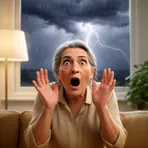 2
9.9
An old expression showing surprise or shock
 1
9.9
An old word that people say to show surprise or strong feeling
 1
9.9
An old word people say to show surprise, anger, or shock
 1
9.9
A strong spoken reaction showing surprise and disbelief
 1
9.9
A short phrase people say to show surprise at something amazing
Antonyms


How Surprised

Surface Forms
Morphology
in + thunderation
Knowing 'in' and 'thunder' does not let a B1 learner infer the exclamative meaning; 'thunderation' is an archaic/nonce expletive formation rather than a literal noun phrase. Such oath-like intensifiers are language-specific and idiomatic, so the overall meaning cannot be derived from the parts without prior exposure.
Etymology
In thunderation is a saying that may come from people using thunder as a loud, polite stand-in for a swear long ago, because the idea of thunder gives a strong image of shock. That's why in thunderation is used to show 'surprise' or 'disbelief'.