swounds

swounds

9.9
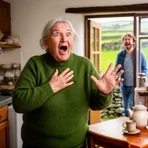
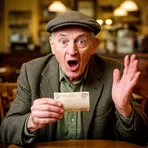
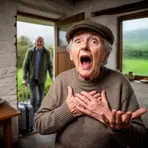
An old word people say to show surprise, anger, or shock
  • interjection
  • Archaic
translation icon : ¡por Dios!
  • Swounds! What a shocking revelation!

Examples

  • He cried swounds when he heard the shocking news from the messenger.

  • In the old play, a character exclaims swounds at a sudden turn of events.

  • Swounds! I have never seen such a thing in all my days.

  • I cannot believe it, swounds!

  • Swounds! What a shocking revelation to hear after all these years.

  • He exclaimed swounds upon discovering the hidden treasure in the cave.

  • Swounds! I never expected such unexpected news to arrive so soon.

Synonyms

heck
vsswounds
  • Informal
422 7.5

A small amount of care or worry about something

is archaic and expresses stronger shock or anger than this mild form
golly
vsswounds
  • Archaic
24 9.9

A word people say to show mild surprise

is archaic and usually signals sharper shock or anger
ahh
vsswounds
24 7.9

A short cry people make when they feel sudden pain or shock

is archaic and usually marks shocked or angry reaction instead
lordy
vsswounds
  • Informal
17 9.4

A short informal cry showing surprise or strong feeling

is archaic and feels more like a historical oath than casual talk
ooooh
vsswounds
  • Informal
16 8.3

A short sound people say to show surprise or excitement

is archaic and tends to express sharper shock or anger instead
tarnation
vsswounds
  • Archaic
8 9.9

An old-fashioned shout showing surprise, anger, or strong feeling
is archaic and often functions more as a startled oath
oooh
vsswounds
  • Informal
7 9.1

A short sound people make when they feel a quick pain

is archaic and usually signals stronger shocked or angry feeling
gawd
vsswounds
  • Slang
4 9.9

A short informal word people say when they feel surprise, shock, or annoyance

is archaic and more literary or historical than casual speech
yipe
vsswounds
  • Informal
4 8.9

A short sharp cry showing surprise, fear, or excitement

is archaic and less a quick cry, more a full startled oath
blimey
vsswounds
  • UK
4 9.5

A short word people say when they are surprised or shocked

is archaic rather than common modern informal usage
aaahh
vsswounds
  • Informal
4 9.1

A soft sound you make when something feels good or brings relief

is archaic and focuses more on shock or angry surprise
aargh
vsswounds
  • Informal
4 9.9

A short cry people make to show strong feelings like anger or pain

is archaic and used mainly as an older startled or angry oath
ohhhh
vsswounds
  • Informal
3 8.4

A short sound people make when they suddenly understand something

is archaic and denotes stronger shocked or angry reaction
egad
vsswounds
  • Archaic
3 9.9

An old word people say to show surprise or shock

is archaic and often used as a startled or shocked oath
aagh
vsswounds
  • Informal
1 9.9

A short cry people make when they are suddenly scared

is archaic and more about shocked anger or surprise than fear
begod
vsswounds
  • Archaic
1 9.9

A short old word people say to show surprise or strong feeling
is archaic and focuses on shock and angry surprise rather than devotion
to consarn
vsswounds
  • Archaic
1 9.9

To say an old-fashioned rude word to show surprise or anger

is archaic and used mainly in older written or spoken language
begorra
vsswounds
  • Archaic
1 9.9

An old Irish word said to show surprise or strong feeling

is archaic and used broadly for shock or angry surprise
strewth
vsswounds
  • Archaic
1 9.9

An old-fashioned word said to show surprise or strong feeling

is archaic and tends to convey sharper shock or anger
zounds
vsswounds
  • Archaic
9.9

An old word people say to show surprise or anger

is an archaic exclamation expressing surprise, anger, or shock in older speech
egads
vsswounds
  • Archaic
9.9

An old-fashioned shout said to show surprise or shock

is similarly archaic but stresses shock as well as surprise
gadzooks
vsswounds
  • Archaic
9.9

An old-fashioned shout to show surprise or annoyance

is archaic and serves as a historical oath rather than modern talk
consarned
vsswounds
  • Archaic
9.9

An old mild word people say when they are annoyed

is archaic and covers stronger shock or anger too
damme
vsswounds
  • Archaic
9.9

An old word that people say to show surprise or strong feeling

is archaic and often conveys stronger shock or anger
bejabbers
vsswounds
  • Archaic
9.9

An old word people say to show surprise or strong feeling

is archaic and more often signals shock or angry surprise
bedad
vsswounds
  • Archaic
9.9

A short old Irish phrase people say to show surprise or strong feeling
is archaic standard speech rather than regional dialectal usage
whillikers
vsswounds
  • Archaic
9.9

A word people used long ago to show surprise
is archaic and often carries stronger anger or shock
jeepers
vsswounds
  • Archaic
9.9

An old-fashioned word people say to show surprise

is archaic and more likely to show strong shocked feeling
struth
vsswounds
  • Archaic
9.9

A short word showing surprise or strong feeling often used in Australia
is archaic and not limited to regional modern use
ecky thump
vsswounds
  • Archaic
9.9

A short shout showing surprise or disbelief

is archaic and used historically rather than as regional slang
bejeezus
vsswounds
  • Informal
9.9

A loud informal shout that shows surprise, shock, or strong annoyance

is archaic and appears more as an old oath than casual slang
to yell bejesus
vsswounds
  • Irish
9.9

Shout loudly because you are surprised or shocked

is archaic and usually appears in older texts rather than loud speech
sumbitch
vsswounds
  • Offensive
9.9

A rude spoken word used to show surprise, anger or admiration

is archaic and normally expresses shock or angry surprise instead
yikes on bikes
vsswounds
  • Informal
9.9

A short shout showing surprise, alarm, or disbelief
is archaic and used as a serious startled oath in older speech
yowie
vsswounds
  • Australian
9.9

A short cry people say when surprised, hurt, or disgusted

is archaic and focuses on shock and angry surprise rather than pain
bleep of surprise
vsswounds
8.5

A short sharp sound someone makes to show surprise

is archaic and works as a verbal oath rather than a brief sound
oh my heck
vsswounds
  • Informal
9.9

A short phrase people say when they feel surprised or do not believe something

is archaic and carries sharper shock or stronger anger than this mild form

Surface Forms

swounds main

Etymology

The word swounds comes from a shortening of 'God's wounds', an old oath people used when they were surprised or angry. So swounds became a short, strong exclamation of shock or anger, which is why it means that today.