

impenetrableness
- noun
- /ɪmˈpɛnətrəblnəs/
- The impenetrableness of the philosopher’s argument left many readers confused.
Examples
-
The impenetrableness of the text made it difficult for students to comprehend.
-
Due to the impenetrableness of the fog, the ships could not navigate safely.
-
The novel’s impenetrableness discouraged some readers from finishing it.
-
Her impenetrableness during the meeting frustrated her colleagues.
-
The impenetrableness of the philosopher’s argument left many readers confused.
-
The impenetrableness of the novel discouraged some readers from finishing it.
-
The impenetrableness of the text made it difficult for students to comprehend.
Synonyms

 1
9.9
1
9.9

A quality that you cannot understand or know the reasons for
 1
9.9
1
9.9
A state where something is very hard to understand
 1
8.7
1
8.7
A state of not allowing water, light, or ideas to pass through


 1
9.9
1
9.9
Being impossible to go through, like thick walls or heavy fog
 1
9.9
1
9.9
The state of being impossible to imagine or believe
 1
8.3
1
8.3
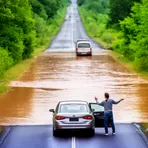
A situation where a road or path cannot be crossed

The quality of not letting water or air pass through
Antonyms


How Penetrable

Surface Forms
Morphology
impenetrableness = impenetrable (transparent) = im + penetrable + ness
The noun is formed from the adjective 'impenetrable' by adding the suffix '-ness', indicating a state or quality.
Etymology
Impenetrableness is built from im- 'not' and penetr- 'to go into', the same root you see in penetrate. Think of a thick wall, a deep fog, or a very hard text you cannot get into; that image shows why it means 'impossible to go into or understand'.