

hypoxia
 9
7.9
9
7.9

- noun
- /haɪˈpɒksɪə/
- Specialized
- Symptoms of hypoxia include dizziness and shortness of breath.
- severe hypoxia
- tissue hypoxia
- effects of hypoxia
Loading YouTube…
Watch on YouTubeAnd the podcast would meet an untimely end because too much hypoxia, your brain is not going to get enough oxygen.
- And the podcast would meet an untimely end because too much hypoxia, your brain is not going to get enough oxygen.
- I would say it moves in that direction, but it's not as extreme because I don't think you can get down to the levels of hypoxia that they do clinically.
- So the arteries, the hypoxia over the years just beats us up.
- What we do is the same thing, but then naturally we do controlled hypoxia, like controlled high stage train.
- And my lab has shown in mice that pseudo hypoxia is a real thing and, and is probably mimicking exercise.
Examples
-
Low oxygen conditions, known as hypoxia, can cause fish and shellfish suffocation.
Academic text (2003) -
- Given the boy's medical history, I believe he died during a state of hypoxia and asthma attack.
-
Be aware you may have the beginnings of hypoxia.
-
The major environmental change with altitude is hypoxia, the decrease in oxygen partial pressure.
Academic text (1995) -
Most sufferers die of chest infections and hypoxia when weakness affects breathing.
Academic text (2011) -
The causes of this include trauma, insufficient circulation, malnutrition, hypoxia, and poisoning.
-
And in response to hypoxia, it begins to crank out erythropoietin, EPO.
-
The tightening of the ligature results in hypoxia: the diminishing of oxygenation of the brain.
Fiction book (2001) -
The climbers experienced severe hypoxia as they reached the summit of the mountain.
-
Doctors warned that prolonged hypoxia could lead to serious health complications if untreated.
Compounds

- Specialized
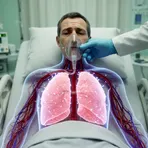
Low oxygen in the body because the blood lacks enough red blood cells or hemoglobin to carry it

- Specialized
A lack of oxygen in body parts because not enough blood reaches them

- Specialized
When blood moves too slowly, parts of the body do not get enough oxygen
How Severe
- Specialized
4
9.3

- Specialized
9
7.9
Surface Forms
Morphology
hypoxia = hypo + oxia
This is a technical Greek-derived medical term; although hypo- suggests 'low', the remaining form is not a transparent standalone English base for an average learner.
Etymology
Hypoxia comes from the Greek parts hypo- meaning 'under' and -oxia linked to oxygen, so it literally says 'under oxygen'; that's why hypoxia describes when the body does not get enough oxygen.