
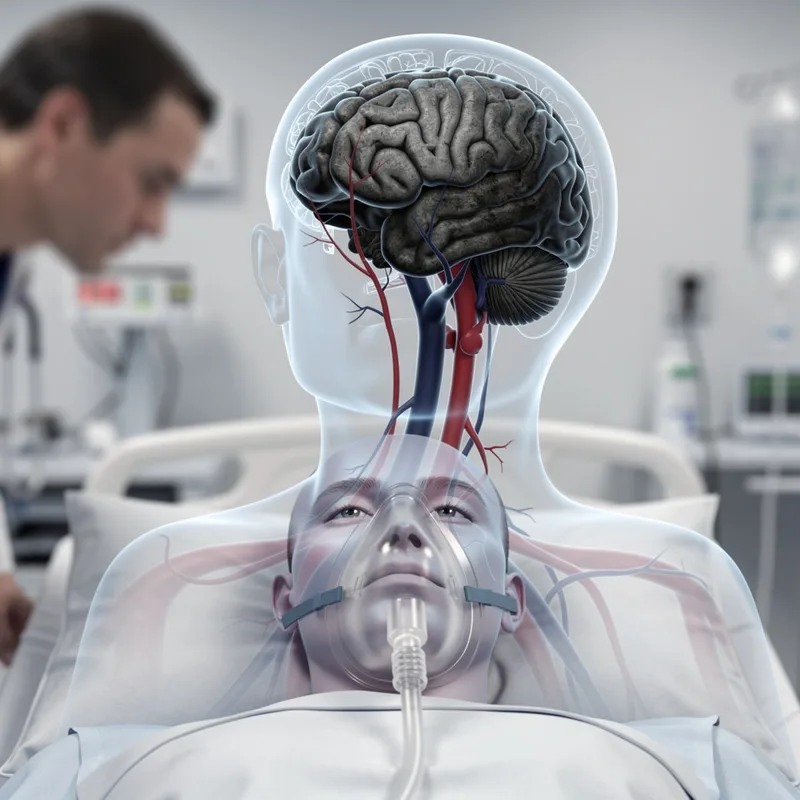
anoxia
 4
9.3
4
9.3

- noun
- /əˈnɑk.si.ə/
- Specialized
- One serious consequence of anoxia is that it can cause irreversible damage to the brain.
- anoxia and hypoxia
- perinatal anoxia
- result in anoxia
Examples
-
During high mountain climbs, many climbers face anoxia due to the thin air and lack of oxygen.
-
In warm months, some bay areas, particularly where the water is deep, suffer from anoxia.
Academic text (1992) -
It's a lack of oxygen to the brain, and the anoxia caused some damage.
-
I think we're looking at cortical anoxia.
-
Your husband suffered anoxia.
-
What drives the severe post-hurricane anoxia and hypoxia episodes?
Academic text (2002) -
However, it is believed that perinatal anoxia can seriously damage not only pure-tone auditory function but also more complex activities, such as speech interpretation.
Academic text (2002) -
If benthic food supplies diminish because of repeated anoxia episodes, repopulation may take longer.
Academic text (2002) -
The most visible effects of storm-induced anoxia and hypoxia on aquatic biota are the carcasses of dead fish.
Academic text (2002) -
Anoxia occurs when the body is deprived of anoxia, which can lead to serious health issues.
Synonyms
 25
9.6
25
9.6
Not enough oxygen in the body that makes you lose consciousness or die
 20
5.2
20
5.2
Not being able to breathe because there is not enough air
 8
8.6
8
8.6
A condition in which a person cannot breathe and becomes unconscious from lack of oxygen

Not enough oxygen in the blood because the lungs cannot put oxygen into the blood

Lack of oxygen in parts of the body because blood flow is stopped or very slow
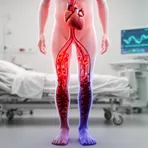
Lack of oxygen in parts of the body because blood moves very slowly, often in heart failure
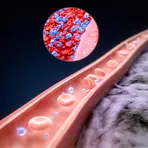
A condition where low hemoglobin makes body tissues get too little oxygen
Antonyms

Compounds
- Specialized
A condition where low hemoglobin makes body tissues get too little oxygen
- Specialized
Not enough oxygen in the blood because the lungs cannot put oxygen into the blood
- Specialized
Lack of oxygen in parts of the body because blood flow is stopped or very slow
- Specialized
Lack of oxygen in parts of the body because blood moves very slowly, often in heart failure
How Oxygenated
- Specialized
9
7.9

- Specialized
4
9.3
Surface Forms
Morphology
anoxia = oxygen (semi-transparent) = an + oxia
The prefix 'an-' means 'without', and learners who recognise its function plus the association with 'oxygen' can infer the meaning, but the combining form '-oxia' is not a standalone English word and this medical term is not fully transparent to general learners.
Etymology
Anoxia comes from the prefix an- meaning 'without' and oxygen, the gas our bodies need, so anoxia literally means 'without oxygen' and explains why the word describes a dangerous lack of oxygen in the body.