
anemic anoxia
- noun
- /əˈniːmɪk əˈnɒksɪə/
- Specialized
- The patient developed anemic anoxia following severe blood loss during surgery.
Examples
-
Doctors treated her anemic anoxia by increasing her red blood cell count through transfusion.
-
Anemic anoxia can result when certain diseases interfere with hemoglobin production.
-
The patient was diagnosed with anemic anoxia last week.
-
Can anemic anoxia cause fatigue?
-
The patient developed anemic anoxia after a significant drop in hemoglobin levels due to his illness.
-
Doctors treated her anemic anoxia by increasing her red blood cell count through a carefully monitored transfusion.
-
After the operation, the doctor explained that the risk of anemic anoxia was higher due to her low hemoglobin levels.
Synonyms

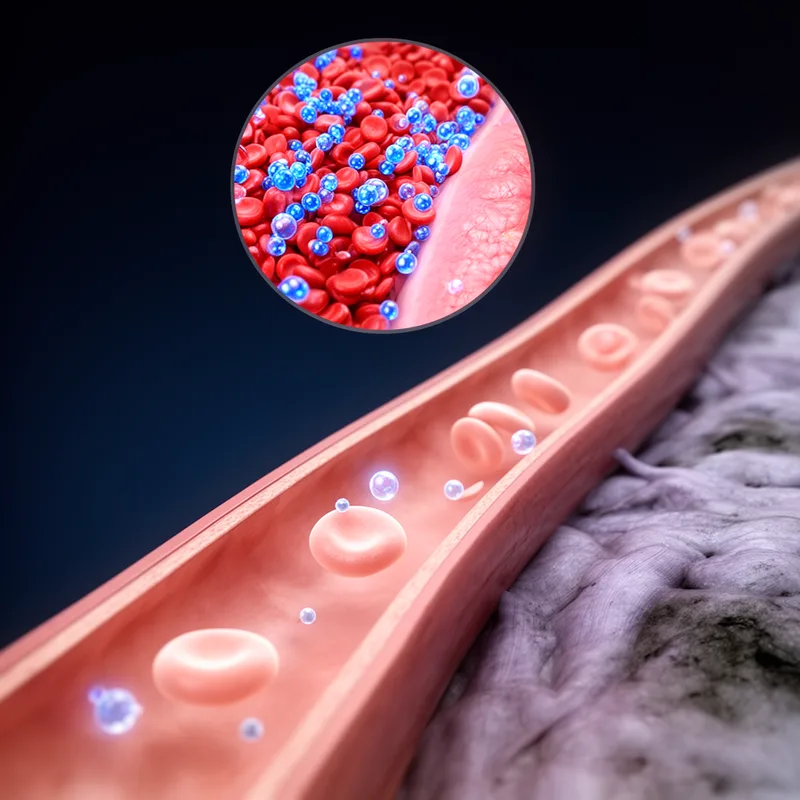
Low oxygen in the body because the blood lacks enough red blood cells or hemoglobin to carry it
How Severe
- Specialized
 4
9.3
4
9.3


- Specialized
Surface Forms
Morphology
Both constituents are semantically clear and domain-specific: 'anemic' indicates low blood/hemoglobin and 'anoxia' means lack of oxygen, so a learner who knows both can infer this refers to oxygen deficiency associated with or caused by anemia. The phrase follows a straightforward modifier+noun composition common across languages, making the overall meaning predictable rather than idiomatic.
Etymology
Anemic anoxia comes from the parts anemic, meaning too few red blood cells, and anoxia, meaning 'lack of oxygen'. Think of blood as delivery trucks: if there are too few trucks, oxygen cannot reach the body's cells, so tissues are short of oxygen, which is why the phrase means 'insufficient oxygen because of low hemoglobin'.