
hypochlorous acid
- noun
- /ˌhaɪpoʊˈklɔːrəs ˈæsɪd/
- Specialized
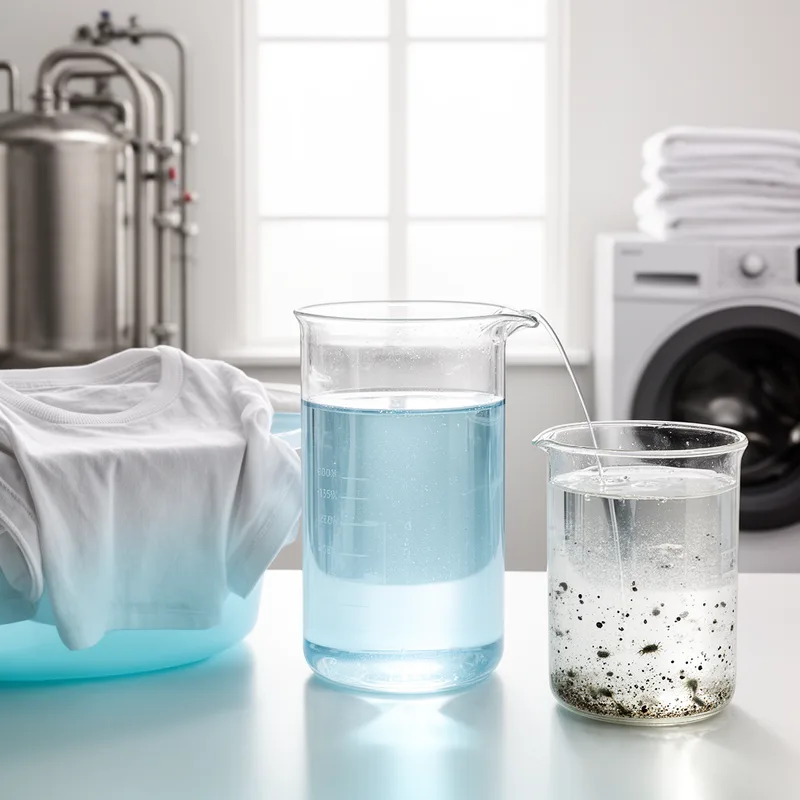
- Hypochlorous acid is responsible for the bleaching effect of chlorine in laundry detergents.
Examples
-
The disinfectant properties of hypochlorous acid are used in water treatment plants.
-
In swimming pools, hypochlorous acid helps to eliminate harmful bacteria and maintain clean water.
-
Exposure to sunlight can rapidly break down hypochlorous acid in solution.
-
The solution contains hypochlorous acid as its active ingredient.
-
Can hypochlorous acid be used safely on skin?
-
Hypochlorous acid is commonly used as a disinfectant due to its strong oxidizing properties.
-
The laboratory prepared hypochlorous acid for experiments involving oxidative reactions.
Surface Forms
Morphology
This is a straightforward adjective+noun composition: 'hypochlorous' describes a chlorine-related chemical quality and 'acid' names the class of substance, so together they denote an acid with hypochlorous properties (HOCl). While the full biomedical specifics (e.g., production by neutrophils) are technical, the basic meaning as a chlorine-derived acid is directly derivable from the constituents and is cross-linguistically transparent.
Etymology
Hypochlorous acid gets its name from parts: hypo- meaning 'less' and chlorous from 'chlorine', the green chemical used for cleaning. So hypochlorous acid is the 'less strong' chlorine acid, which is why it works as a mild 'bleach' that helps remove stains and breaks down easily in water and sunlight.

