

hypochlorite
 1
8.4
1
8.4

- noun
- /ˌhaɪpoʊˈklɔːraɪt/
- Specialized
- The first planning objective is to understand the makeup, characteristics, and nature of sodium hypochlorite.
- sodium hypochlorite
- hypochlorite solution
- hypochlorite sanitizer
Examples
-
Converting from gaseous chlorine to sodium hypochlorite can result in many significant benefits.
Academic text (1998) -
Check out the amount of sodium- hypochlorite residue at the scene.
-
Other factors that diminish the shelf life of sodium hypochlorite are warm temperatures and exposure to sunlight.
Academic text (1998) -
Operational costs of a sodium hypochlorite disinfection system are also higher than costs for a UV system.
Academic text (2002) -
Many utilities have explored the alternatives and discovered that producing sodium hypochlorite on-site is a good choice.
Academic text (1997) -
On-site sodium hypochlorite generation has been available as a disinfection option for over twenty-five years.
Academic text (1997) -
Many choose sodium hypochlorite disinfection to eliminate onsite chlorine gas storage.
Academic text (2002) -
The sodium hypochlorite-based cleaner demonstrated 100% efficacy at removing or killing test organisms from telephone mouthpieces.
Academic text (2009) -
With its non-hazardous 0.8 percent dilute sodium hypochlorite solution, SHG offered the safest and most cost-effective treatment method.
Academic text (1997) -
Household bleach is mainly composed of sodium hypochlorite, which helps in removing stains and disinfecting surfaces.
Synonyms
 49
3.3
49
3.3
A strong liquid used to make things white and kill germs
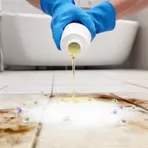

 1
5.5
1
5.5
A chemical that bleaches and kills germs, used in household bleach
 1
4.9
1
4.9
A white chemical used to clean and kill germs in water, for example in pools
 1
3.7
1
3.7
A chemical used to make things white or remove their color

A liquid bleach used to whiten clothes and clean surfaces

A liquid used to bleach clothes or kill germs

A strong liquid used to kill germs and remove stains
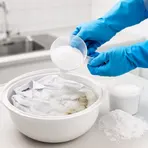
A white powder used to bleach clothes and to kill germs

A white powder used to bleach and kill germs

A white powder used to bleach and kill germs in water and on surfaces
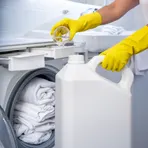
A strong liquid used on clothes or surfaces to make them white and kill germs
Compounds
- Specialized
1
4.9
A white chemical used to clean and kill germs in water, for example in pools
- Specialized
1
5.5
A chemical that bleaches and kills germs, used in household bleach
Surface Forms
Morphology
hypochlorite = chlorite (opaque) = hypo + chlor + ite
This is a specialized chemical term built by systematic nomenclature, so an average learner is unlikely to infer the specific substance from the parts alone.
Etymology
The word hypochlorite breaks into hypo- meaning 'under' or 'less', chlor- meaning 'green' as in chlorine, and -ite meaning 'salt'. This name shows it is a kind of chlorine-related salt from hypochlorous acid, which is why hypochlorite is used as a common bleach and disinfectant.