

bleaching agent


 1
3.7
1
3.7
- noun
- /ˈbliːtʃɪŋ ˈeɪdʒənt/
- Specialized
- Sodium hypochlorite is a powerful bleaching agent often used in disinfectants.
- using a bleaching agent
Examples
-
Hydrogen peroxide is a common bleaching agent used to whiten hair.
-
Lime is a very good bleaching agent.
Blog text (16) -
Potato acts as a very good bleaching agent.
Blog text (16) -
Skin bleaching agents
Blog text (1) -
The whitening gel that Glamorous Smile offers to customers is made up of very useful bleaching agents that may really get your enamel sparkling.
Blog text (14) -
Many laundry detergents contain bleaching agents to help remove stains.
Synonyms
 49
3.3
49
3.3
A strong liquid used to make things white and kill germs
 27
4.9
27
4.9
A chemical used to bleach hair or clean and kill germs
 2
3.8
2
3.8
A substance that makes teeth or clothes look lighter
 1
8.4
1
8.4
A salt used to kill germs and bleach things
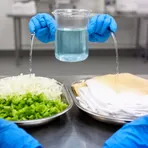
A chemical that removes color from food and cloth to make them white
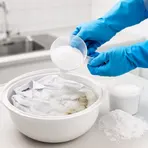
A white powder used to bleach clothes and to kill germs

A white powder used to bleach and kill germs in water and on surfaces

A strong liquid used on clothes or surfaces to make them white and kill germs

A liquid made from chlorine and water that kills germs and bleaches stains

A strong liquid that makes cloth or paper whiter

A product added to laundry to make clothes look whiter and brighter
How Strong

Surface Forms
Morphology
The meaning is directly and compositionally derived from 'bleach' (to make white or remove color) and 'agent' (a person/thing/substance that causes an effect); together they straightforwardly denote a substance that causes bleaching. This noun + agent formation is a common, cross-linguistically transparent pattern, so a B1 learner who knows both constituents should reliably infer the MWE meaning.
Etymology
Bleaching agent comes from old cloth-making, where people used bleaching by laying cloth in the sun or using ash to make it white and agent meant 'something that does the job'. So a bleaching agent is something that removes color and makes things white or colorless.