
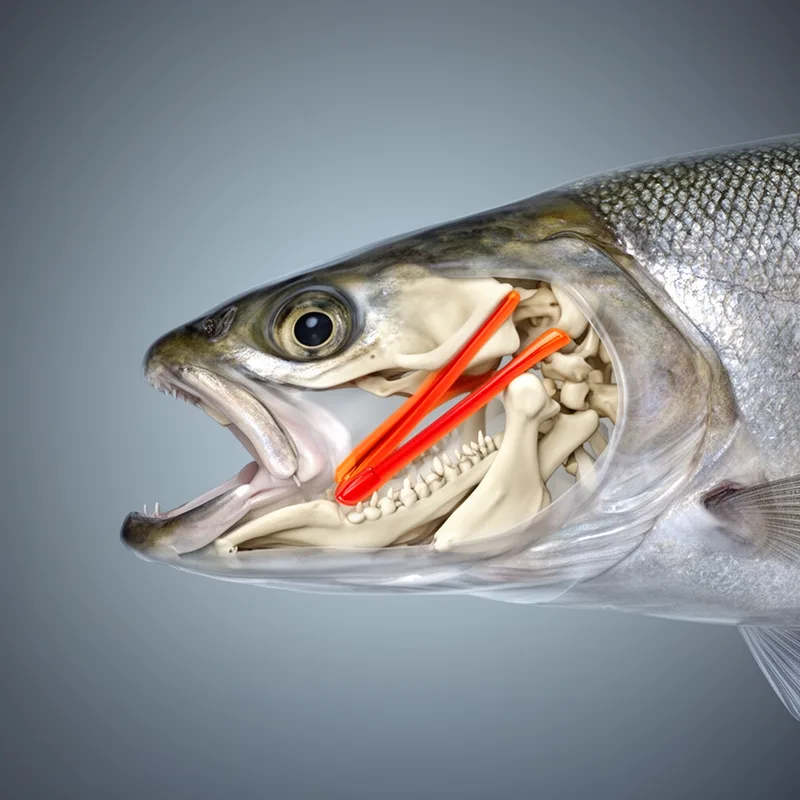
hyomandibular
- noun
- /ˌhaɪoʊmænˈdɪbjələr/
- Specialized
- Damage to the hyomandibular can affect how a fish opens and closes its mouth.
Examples
-
Researchers compared the hyomandibular structures of different fish species to study their evolutionary relationships.
-
The paleontologist carefully examined the fossil's hyomandibular to determine how the fish bit its prey.
-
The hyomandibular bone is crucial for jaw movement.
-
Some fish have a unique hyomandibular structure.
-
The paleontologist carefully examined the fossil's hyomandibular to determine how the fish bit its prey.
-
Damage to the hyomandibular can affect how a fish opens and closes its mouth.
-
Researchers compared the hyomandibular structures of different fish species to study their evolutionary relationships.
Synonyms
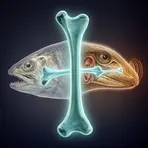
A bone in fish that supports the jaw and in early land animals helps carry sound to the middle ear
Surface Forms
Morphology
hyomandibular = hyomandibula (semi-transparent) = hyo + mandibul + ar
The term names a specific anatomical bone; while 'mandibul' signals 'jaw', the combining form 'hyo-' and the technical usage make the referent non-obvious to general learners.
Etymology
Hyomandibular comes from hyo-, the anatomical name linked to a throat bone, and mandibular, from Latin mandibula meaning 'jaw'. So the hyomandibular is the bone or cartilage that connects the 'jaw' to the skull in fish.

