
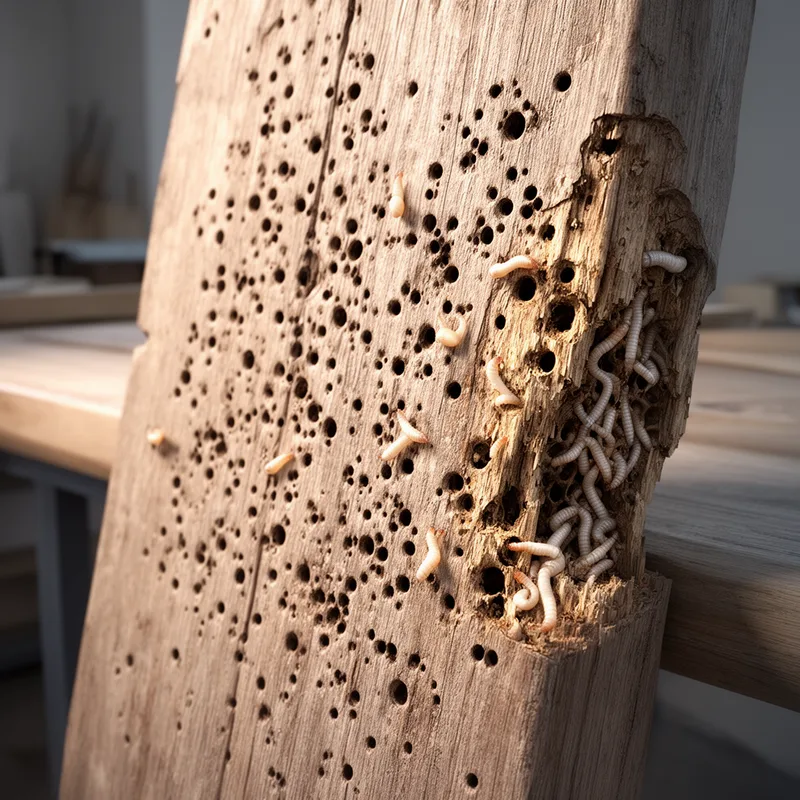
to honeycomb
 2
6.7
2
6.7

- verb
- /ˈhʌniˌkoʊm/
- Honeycombed with tunnels and bristling with land mines, it was a ribbon of green in a sea of mud and ice—tranquil, forested, and dangerous.
Examples
-
The eastern end is honeycombed with cellars.
-
The ground of the Yucatan is simply a limestone slab honeycombed with natural caverns and tunnels carved out over the eons by water action.
Fiction book (1999) -
The mountain was honeycombed with caves, many far too small for Angus.
Fiction book (1992) -
The ground under the hotel is honeycombed with caves... hollowed out by water flowing in from the sea.
-
The walls, ceiling, and floor are now honeycombed with the alcoves that make up the Borg Collective.
Fiction book (1994) -
The lower levels of Ylfcwen's palace were honeycombed with storerooms dating to the Early Epochs.
Fiction book (1993) -
Melina leads Quaid and Benny through a labyrinth of narrow corridors honeycombed with open tombs.
Fiction book (1990) -
The centuries-old structure was honeycombed with winding passages and unexpected stairways—treacherous quarters for the blind.
Academic text (1996) -
The walls of the old castle were honeycombed with small openings for archers to shoot from.
-
The dry soil was honeycombed, with cracks forming all over the surface after weeks without rain.
Synonyms
 5
5.3
5
5.3
Make a line of small holes so something tears easily

To make a large empty space by hollowing rock or ground
Compounds
- Specialized
The edible lining of a cow's second stomach with a honeycomb texture used as food
How Perforated

Surface Forms
Morphology
Etymology
The word honeycomb used as a verb comes from the noun for the bees' comb, and it means 'to fill or make full of small holes or cells' like a real honeycomb. So to honeycomb something is to leave it covered with many small holes or cavities.